
An acquisition vehicle, not a battery manufacturer
Translational Development Acquisition Corp. is a Cayman Islands special-purpose acquisition company. It exists to complete a business combination, and its proposed target is ProLogium Holding Inc., a lithium ceramic battery developer. The two remain distinct until the transaction closes. The acquisition vehicle’s September-quarter report recorded a net loss of −$9.29 million with no operating revenue, including an $11 million charge on issuance of a subscription agreement. Its marketable securities held in trust totaled $159.32 million on September 30, 2026. Those assets are not revenues or operating cash of the battery developer.
Our read: the disclosure gave the battery deal a better chance, but the price ran ahead of the money. The right test is what reaches the factory after redemptions. That number can change even if the project and the headline financing figure stay exactly the same.
What moved and what a unit contains
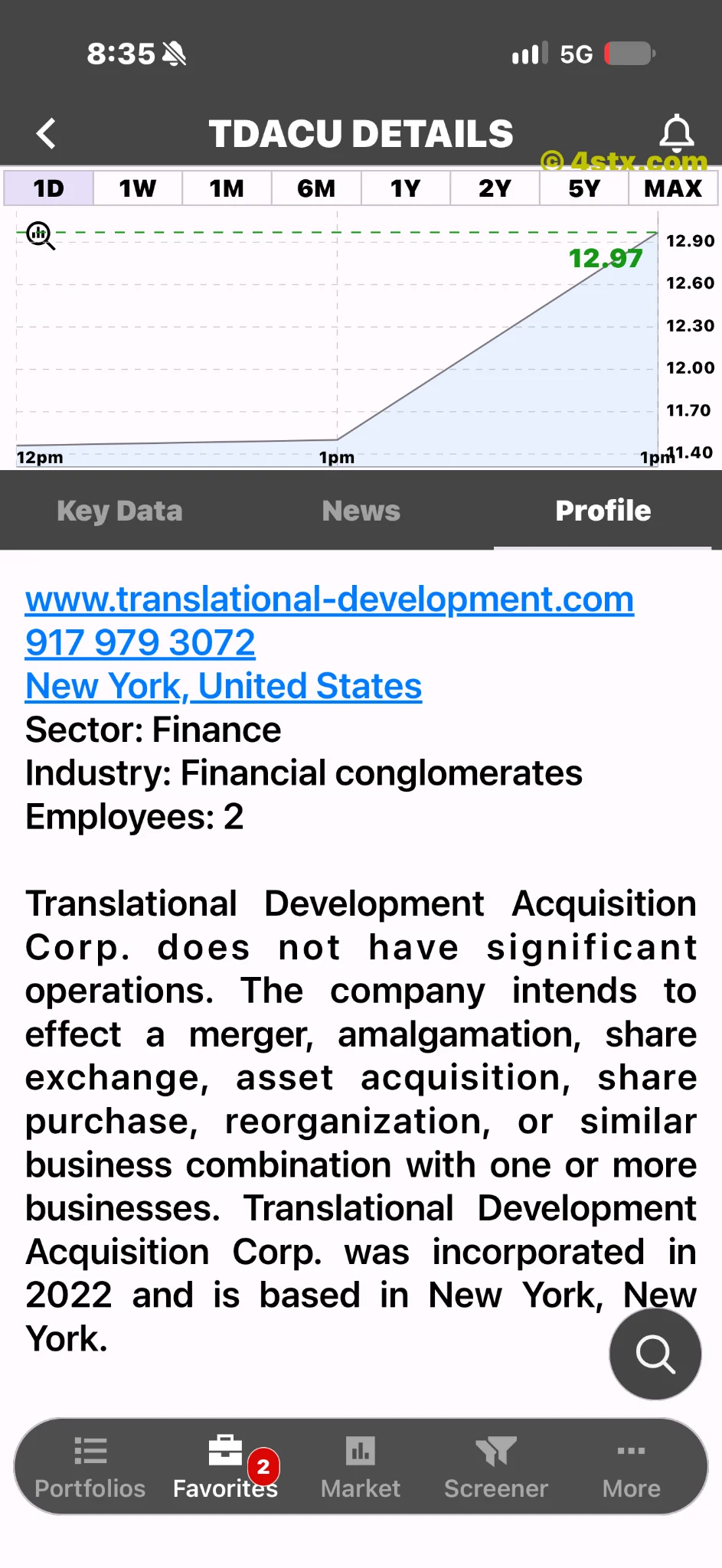
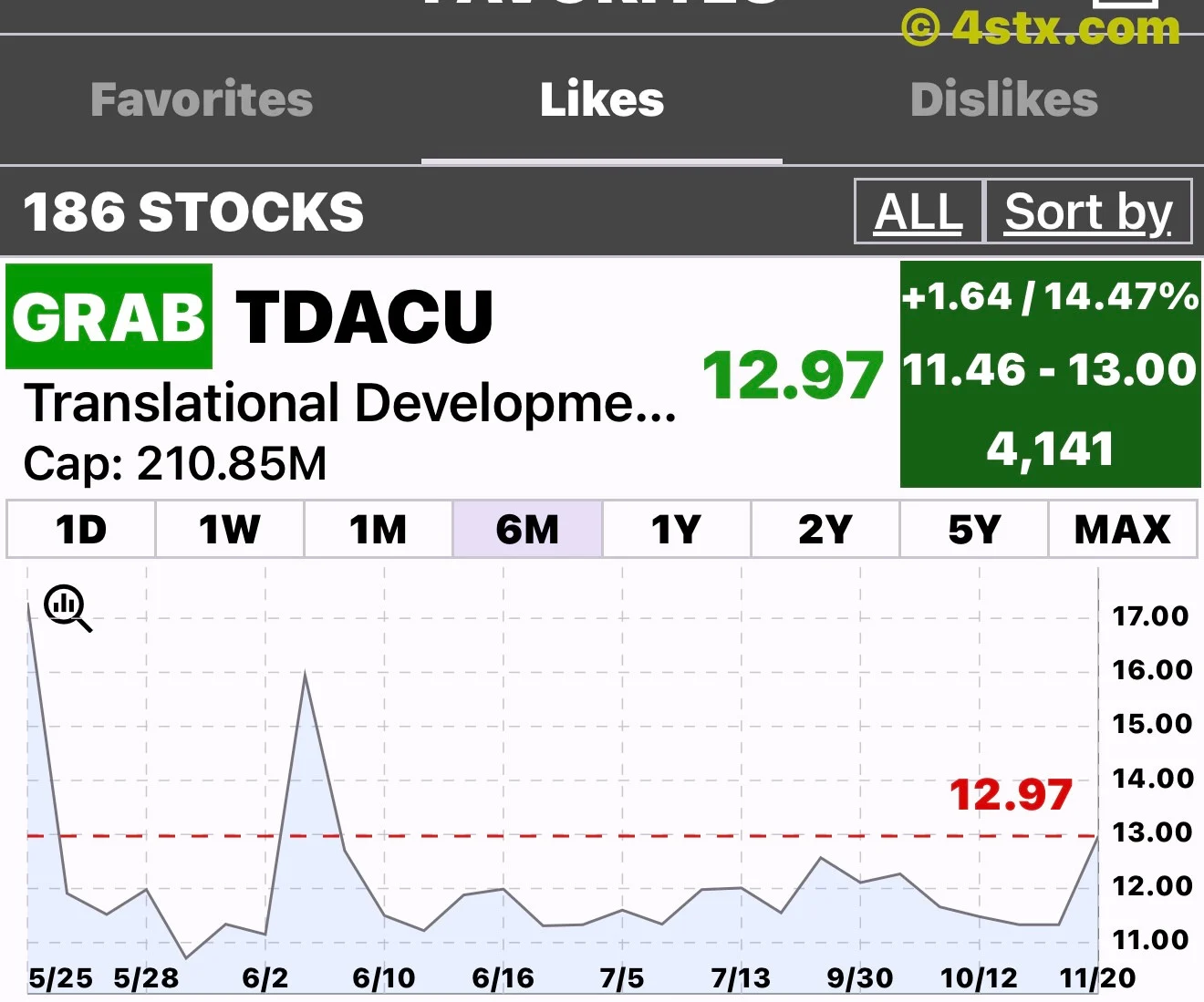
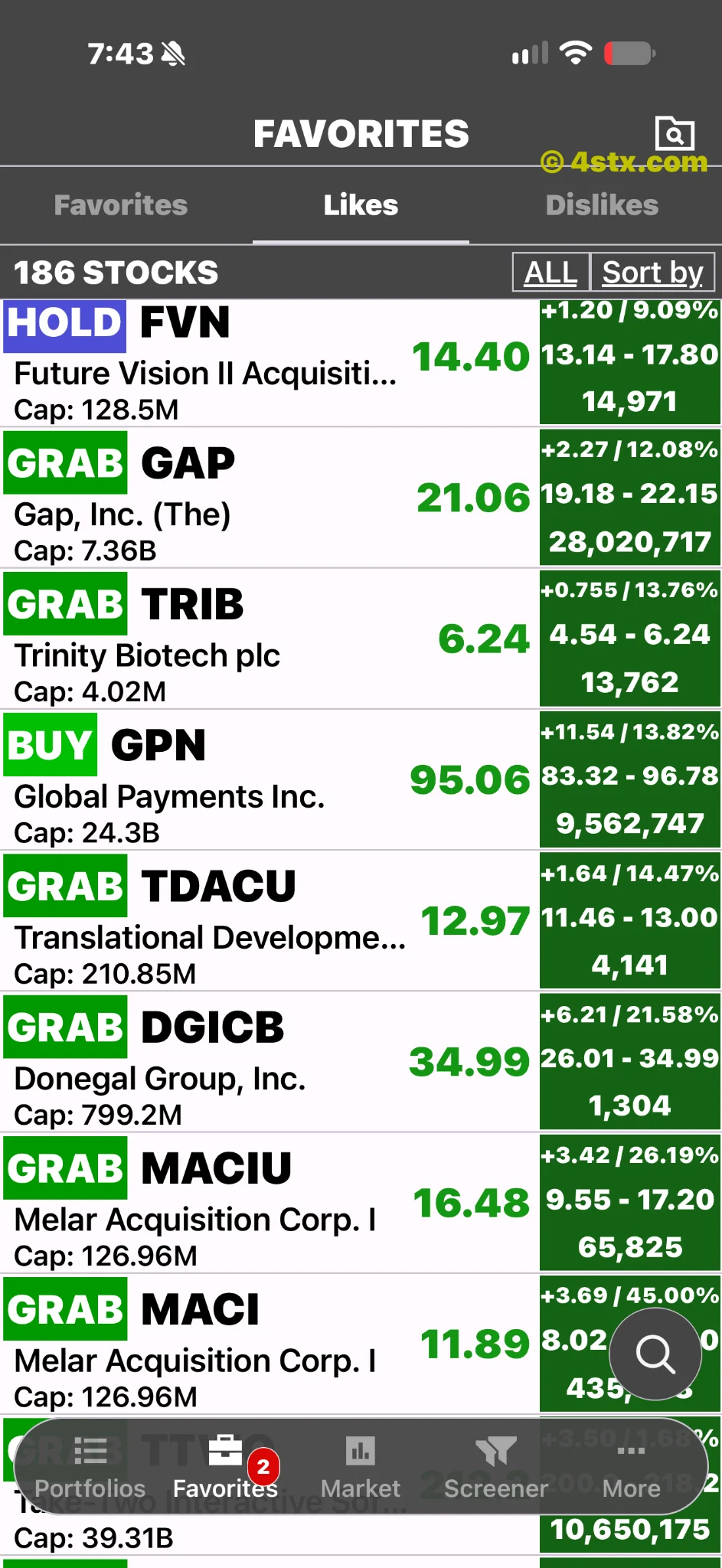
StockRank showed TDACU at $12.97, +14.47% from $11.33, with a displayed range of $11.46 to $13.00 and 4,141 units shown. A separate market-data record also reported $12.97 and +14.47% for November 20, 2026. The screenshot does not establish the average volume or provide a historical chart for comparison. A sharp gain in a few thousand reported units should not be read as evidence that much larger orders could have traded at the same price.
The unit gives the bullish case a fairer hearing than a simple comparison between $12.97 and $10. A buyer could assign real value to the half warrant while also expecting the deal to go through. But that thesis depends on the terms of two securities, not just an appetite for batteries. The sparse reported trading makes the latest quote an especially shaky stand-in for what either piece is worth.
This is the unit, not just the Class A ordinary share. The cover of the SEC current report identifies each TDACU unit as one Class A share plus half of one redeemable warrant. A whole warrant generally has an $11.50 exercise price, subject to its terms. Separately traded ordinary shares and warrants have different symbols and can have very different prices and liquidity. Likewise, the $10 planned price for financing shares is not the price of the warrant-bearing Nasdaq unit.
Two disclosures put the transaction in focus
A merger agreement amendment signed on November 16, 2026 and filed on November 20, 2026 revised the proposed combined company’s articles. The updated structure assigns one vote per Class A share, twelve per Class B share and two per Class C share, with the classes generally voting together. That is a meaningful governance change because ownership of the underlying economics and voting power do not necessarily move in the same proportion.
It is hard to build a factory on an expression of interest, but easier to fund one when prospective investors have put prices and terms on paper. That’s the strongest case for taking the announcement seriously. The other side is equally concrete: the proposed capital still was not binding, and the voting rules clarify who would call the shots more than how much the plant will have to spend.
The day before the filing, ProLogium and the SPAC announced nonbinding financing term sheets totaling up to $135 million. The contemplated private investments would buy common shares at $10 at closing, subject to definitive agreements. The release identified uses including the Dunkirk factory and expansion into new markets, but it did not report that the money had been raised. It also described a December closing expectation, conditional on shareholder approval and other closing requirements.
What still needs to happen
These disclosures are specific, recent developments. Neither establishes that the filing or the funding announcement caused the price move. The material questions now are whether investors sign binding agreements, how many public shares are redeemed, how much cash remains available at closing, and whether all closing conditions are satisfied. The trust balance is a dated snapshot, not a promise that all those funds will reach the target. The unit's quoted gain is a trading observation; financing received and a transaction completed would each require their own confirmation.
The transaction documents also distinguish gross trust assets from proceeds left after redemptions. The amended registration statement reports that $27.82 million was withdrawn to fund 2,598,697 share redemptions during the nine months to September 30, 2026. That history shows why final proceeds must be reported separately from any announced financing ceiling.
I would give the rally more credit if a closing statement showed committed financing and enough net cash left after redemptions to fund a disclosed construction milestone. A signed check and disclosed project budget would do more for that thesis than another sketch of the factory.
The chart here is for the unit, TDACU. Download StockRank and compare its one-day move with its six-month levels so you can judge how unusual the rally was without reading it as the operating company’s valuation.
What matters more here: investor commitments or cash at closing?