Analysis | November 10, 2026
Take-Two gave investors a weaker quarter and a reason to look beyond it. Grand Theft Auto VI remained scheduled for November 19, bringing the company closer to the release expected to reshape its sales. The share-price response suggests investors put more weight on that approaching launch than on the latest quarter’s disappointment.
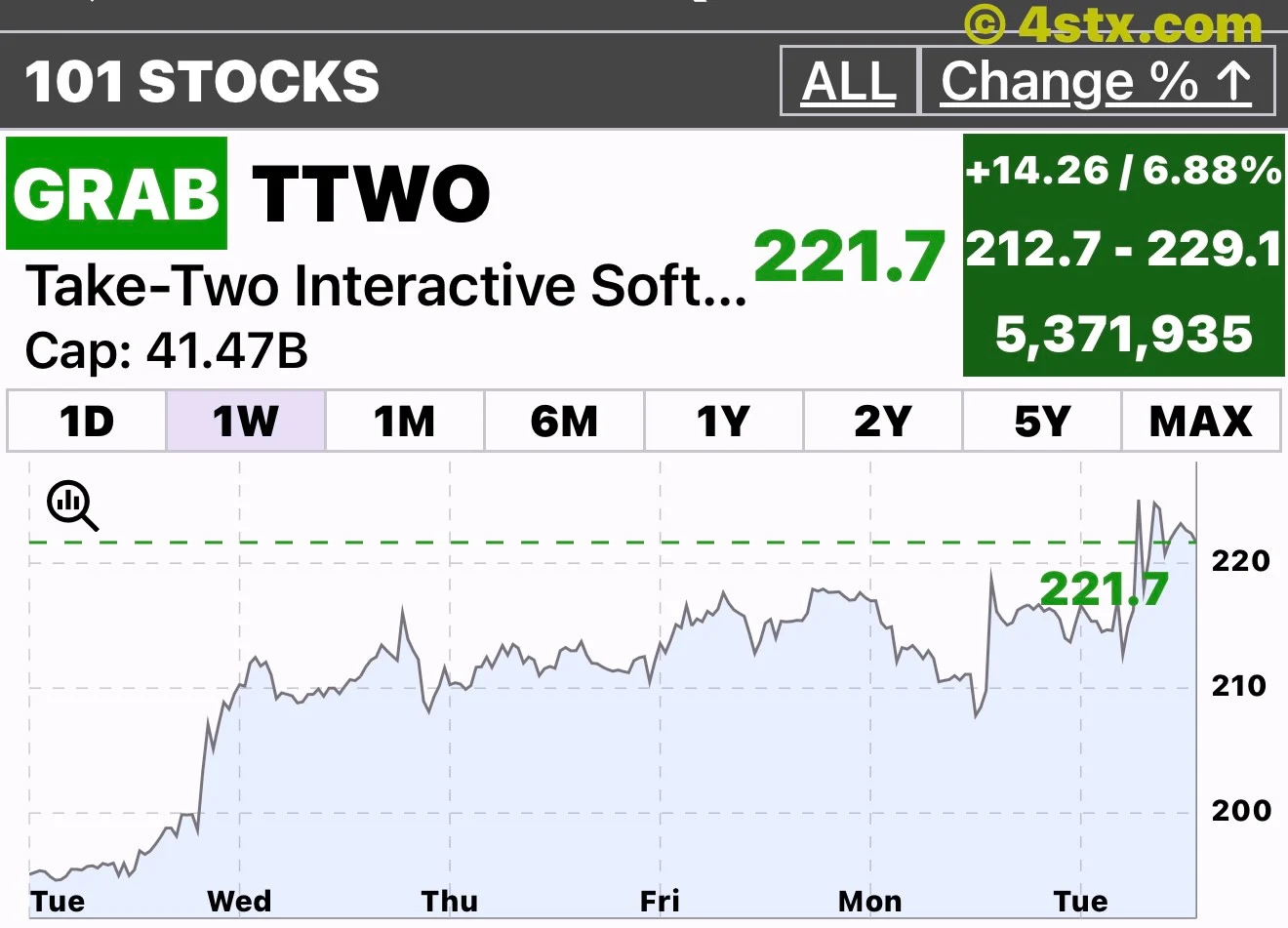
Take-Two’s investor-relations page displayed TTWO at US$221.48, up 6.79%, at 12:47 p.m. Eastern on November 10. That Nasdaq quote was marked as delayed by at least 15 minutes. The supplied StockRank cover is a separate snapshot showing US$221.70 and a 6.88% daily gain; it should not be read as the same observation or as a closing price.
The launch date carries more weight than one quarter
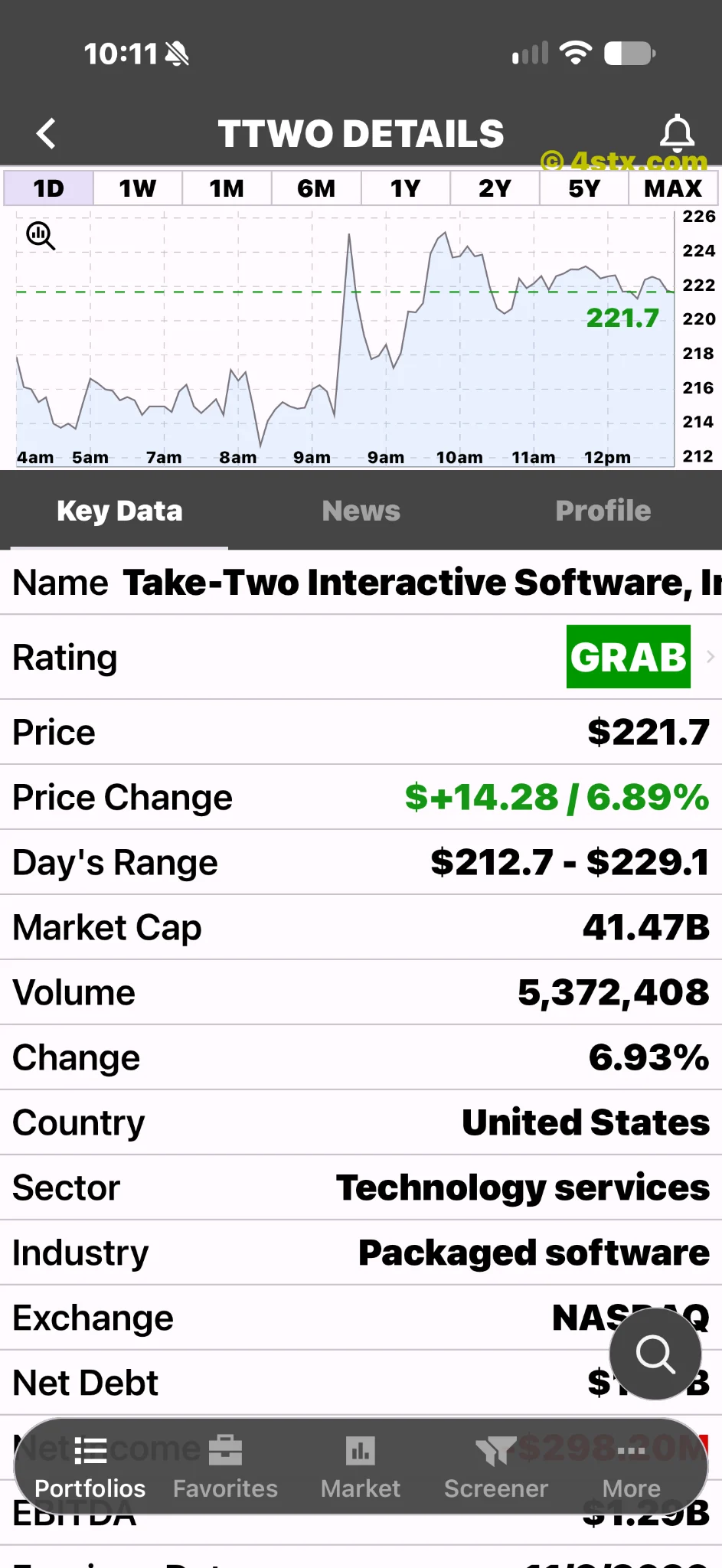
In its November 9 earnings release, Take-Two described GTA VI preorders as reaching unprecedented levels. The important implication is that management still expects the game to reach customers on the announced date. A successful release would allow attention to shift from the timetable to actual demand, player reception and the financial contribution of the game.
Our reading of the rally is that confidence in delivery improved. That is an interpretation of the response, not a claim that every buyer had the same motivation. Investing.com reported that Jefferies viewed the quarterly shortfall as insufficient to change its investment thesis, while highlighting preorders ahead of initial expectations. Those are analyst judgments, not guaranteed sales.
The annual bookings target has not moved
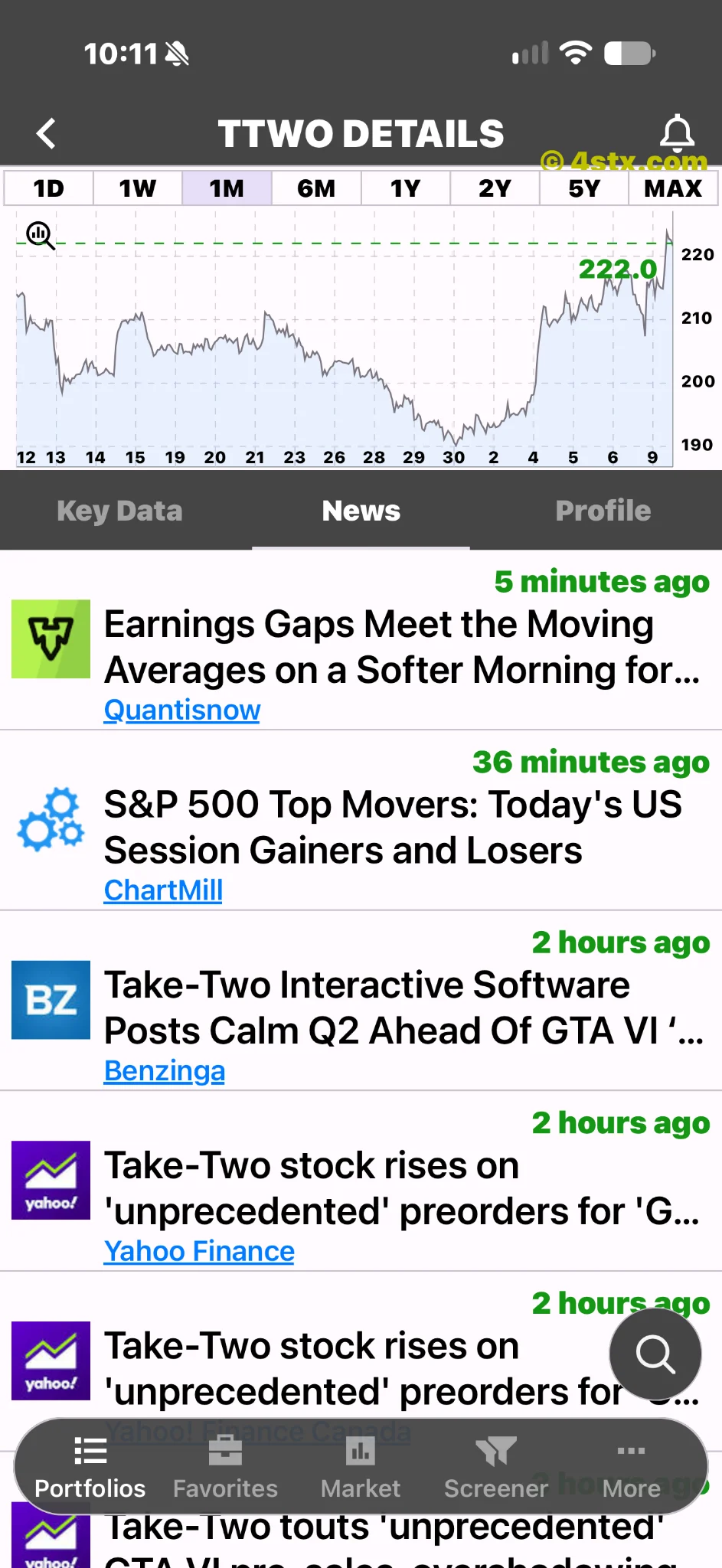
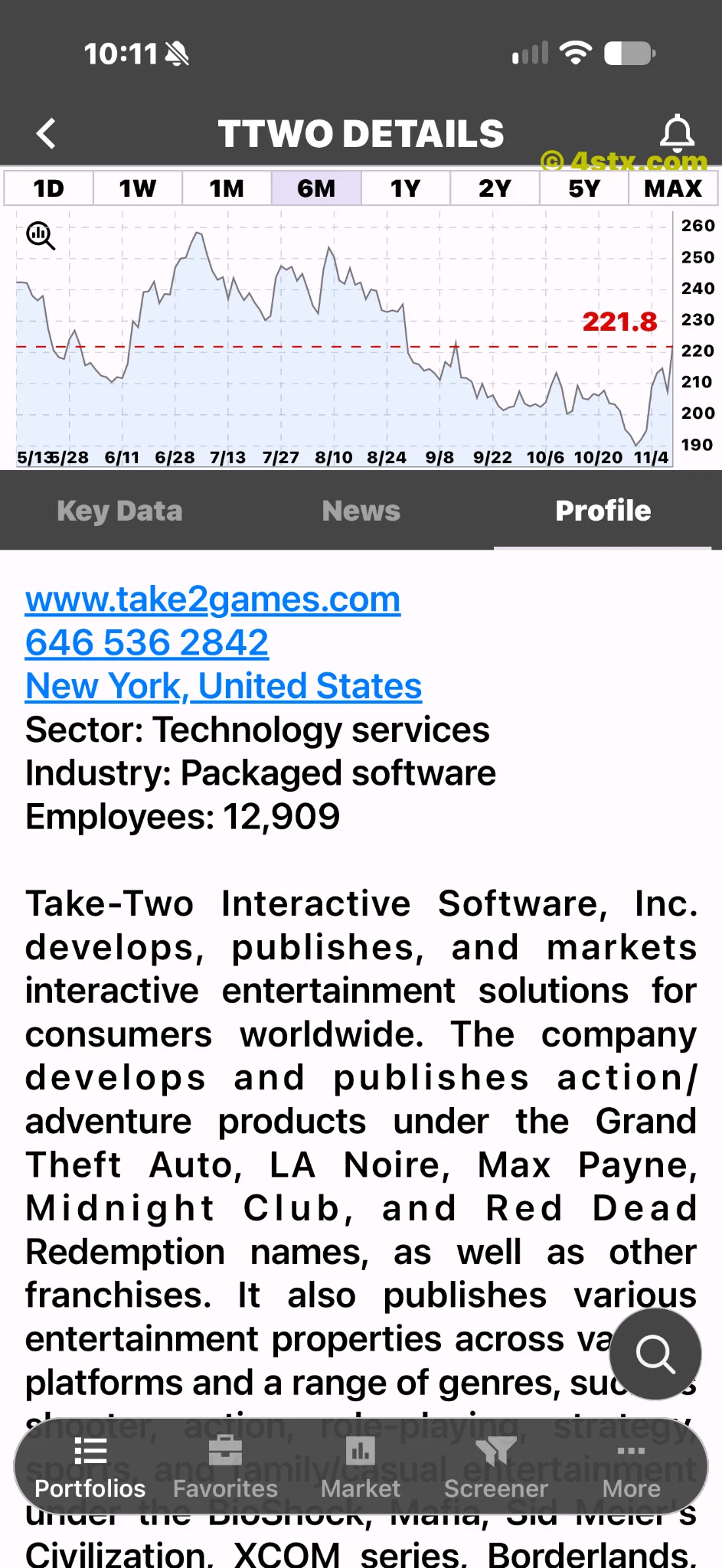
Take-Two kept its fiscal 2027 net-bookings forecast at US$8.0 billion to US$8.2 billion. That range was already in the company’s May outlook. Bookings measure products and services sold during a period and differ from revenue recognized under accounting rules. Keeping these measures separate matters when interpreting a launch-heavy year.
There was a modest improvement elsewhere: Reuters reported that the annual revenue forecast increased to US$7.98 billion–US$8.18 billion from US$7.90 billion–US$8.10 billion. It would therefore be misleading to describe the update as a fresh increase in the bookings target. Investors are paying for their assessment of what the existing plan can deliver, with management’s published bookings range still unchanged.
The chart shows a rebound with more to prove
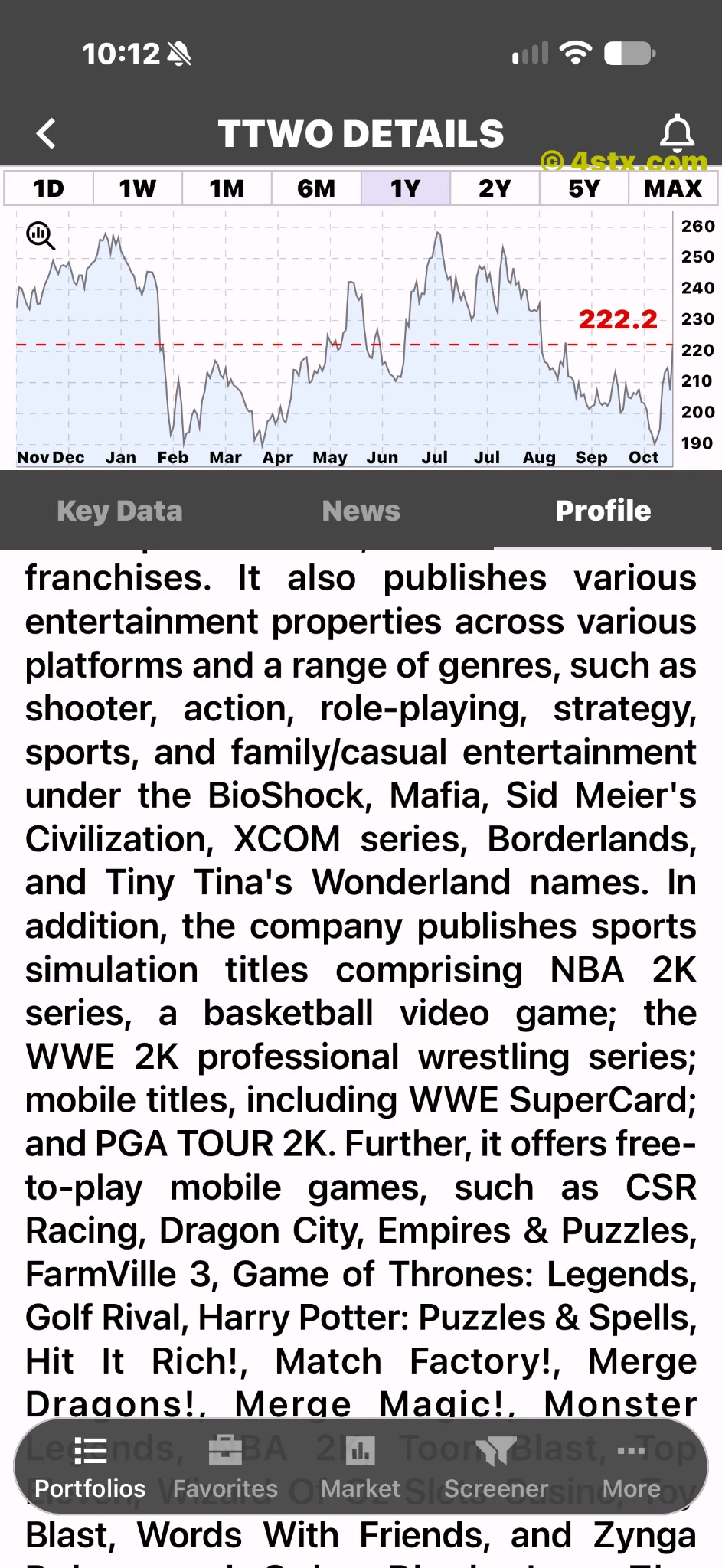
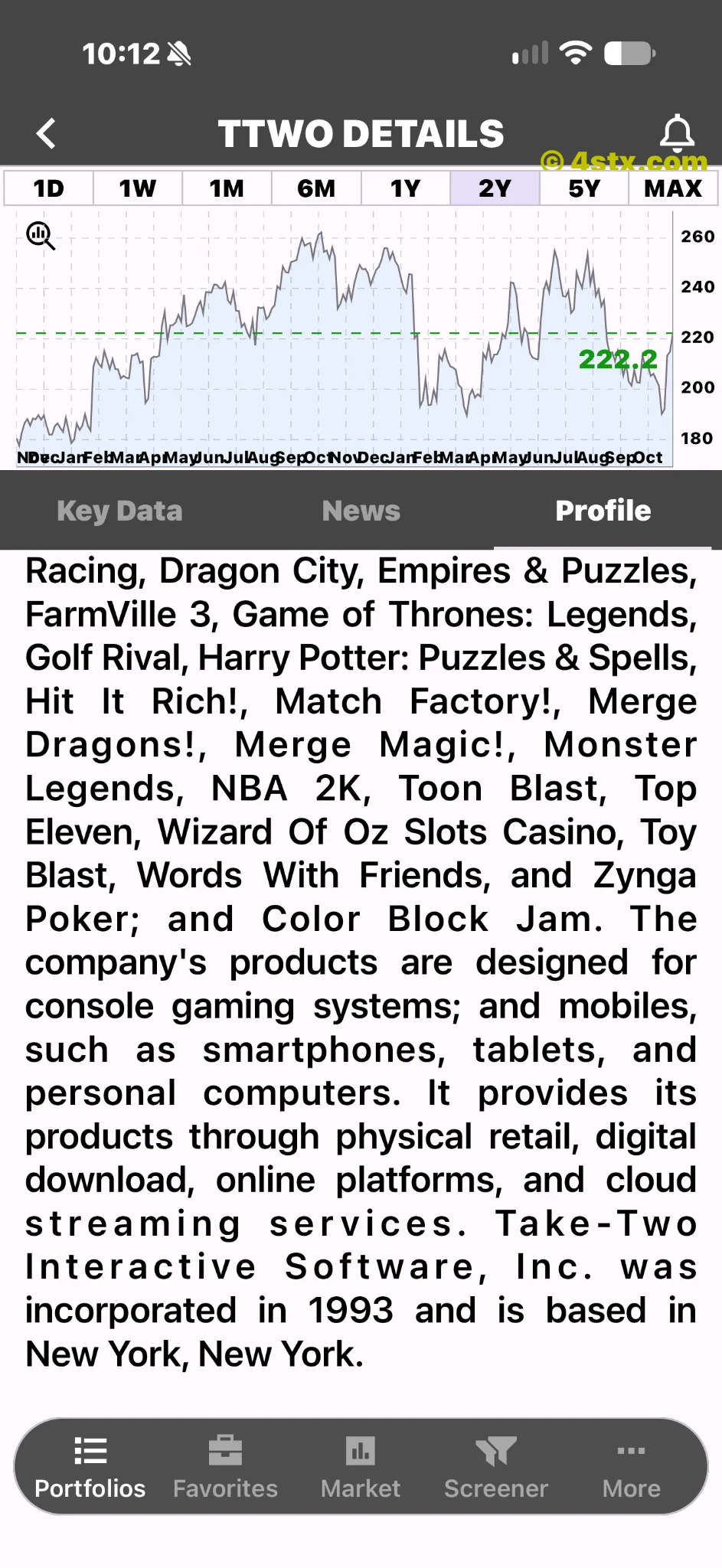
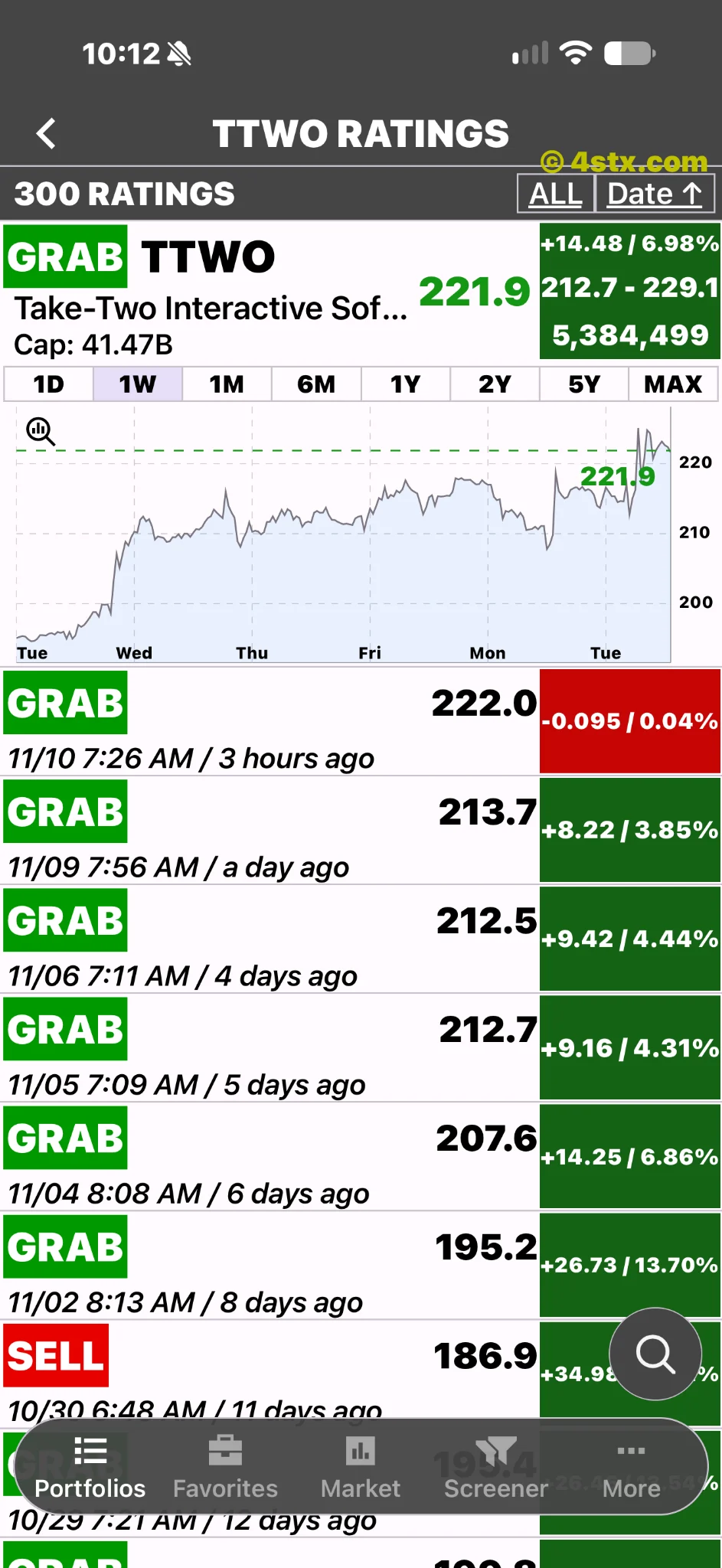
The supplied one-week StockRank view shows a recovery from below US$200 into the low US$220s. The six-month view supplies a useful counterweight: the latest price remains below earlier peaks near US$260. A large daily percentage gain can coexist with a stock still recovering from a substantial decline. Neither chart establishes fair value or predicts the next move.
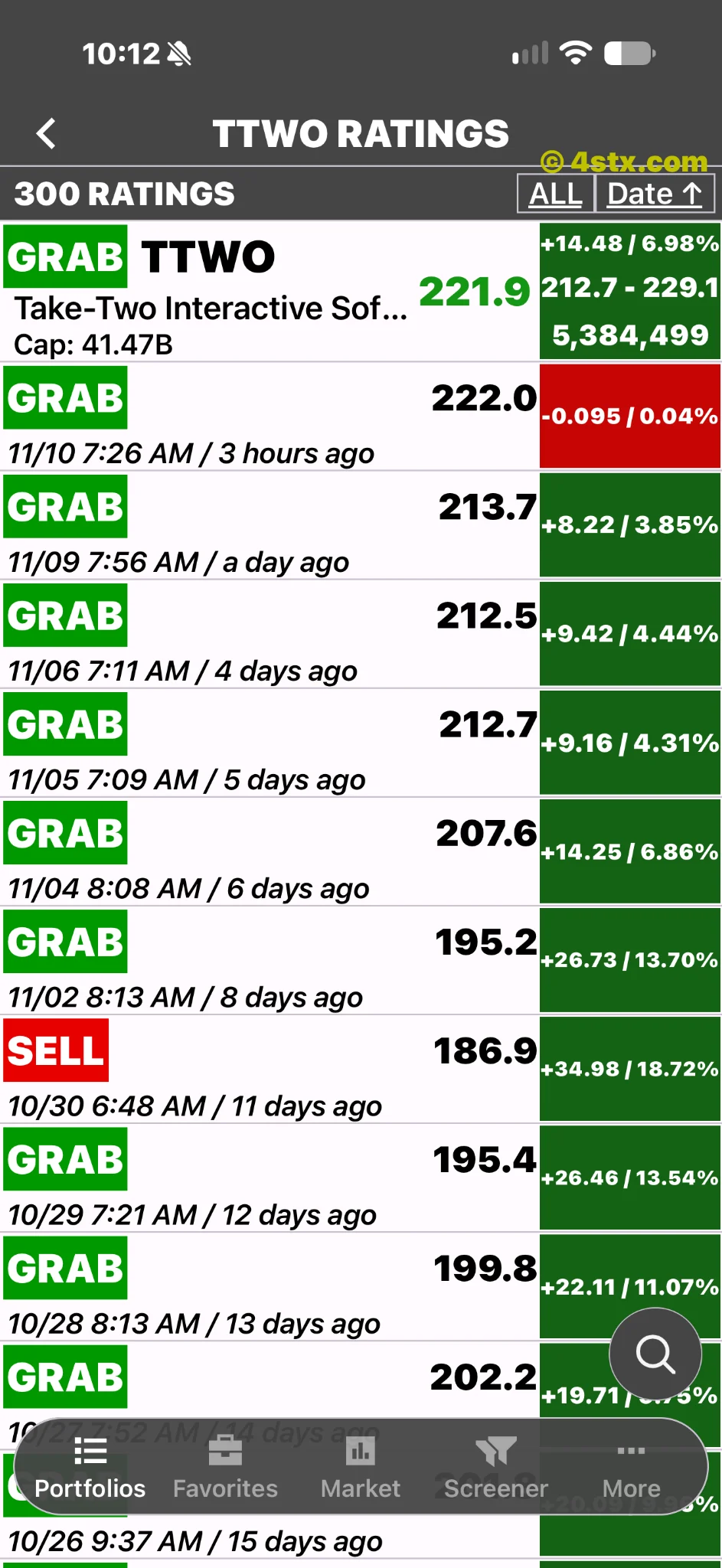
The screenshots also contain StockRank’s GRAB label. That is an app screening output, not a promise of a return. The displayed historical rating comparisons should not be treated as audited strategy performance; they do not establish entry and exit rules, trading costs or a complete investment record.
Sales must turn anticipation into results
The reported quarter provides a real objection to an uncomplicated bullish story. Net bookings fell 18% to US$1.60 billion, and Take-Two still posted a GAAP net loss. On the earnings call, management said NBA 2K27 performed below its forecast for the period. Strength in one major launch must be assessed alongside the rest of the portfolio.
A popular game can still leave shareholders disappointed if the result falls short of what the share price already assumes. Launch execution, customer reception, ongoing engagement and the costs of supporting the release will all help determine how much commercial success reaches earnings and cash flow. Preorders provide a demand signal, but they do not settle those questions.
The next test is November 19, followed by reported sales and subsequent financial results. Our assessment is that the rally reflects a more confident view of the launch approaching. A stronger investment conclusion requires evidence that the game’s reception and financial contribution justify that confidence. The announcement has narrowed the wait for an answer; it has not supplied the answer itself.
This analysis is informational and is not personalized investment advice.