Pixelworks has a big-name partner and a very small revenue base. That combination makes its latest rally worth examining.
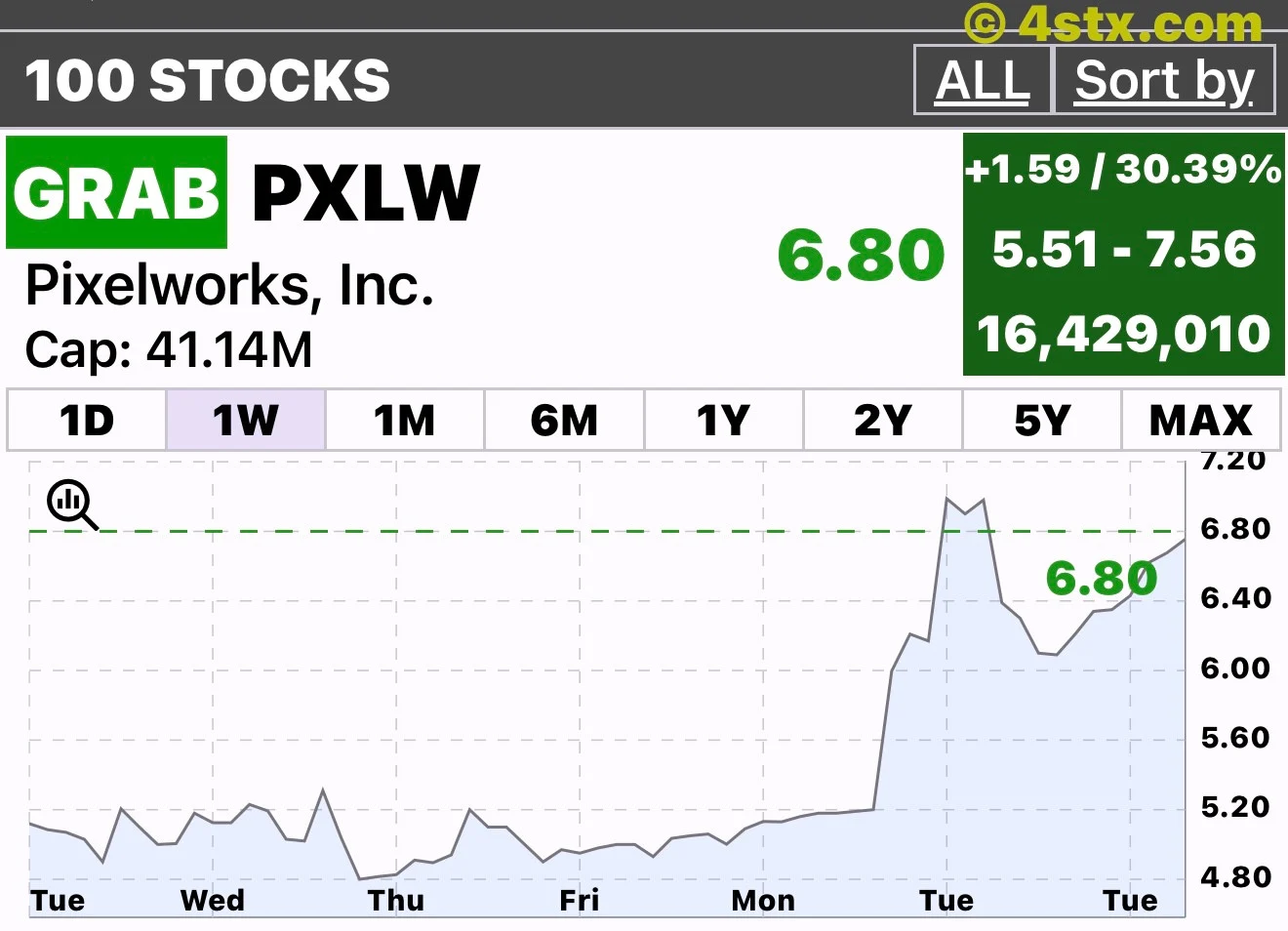
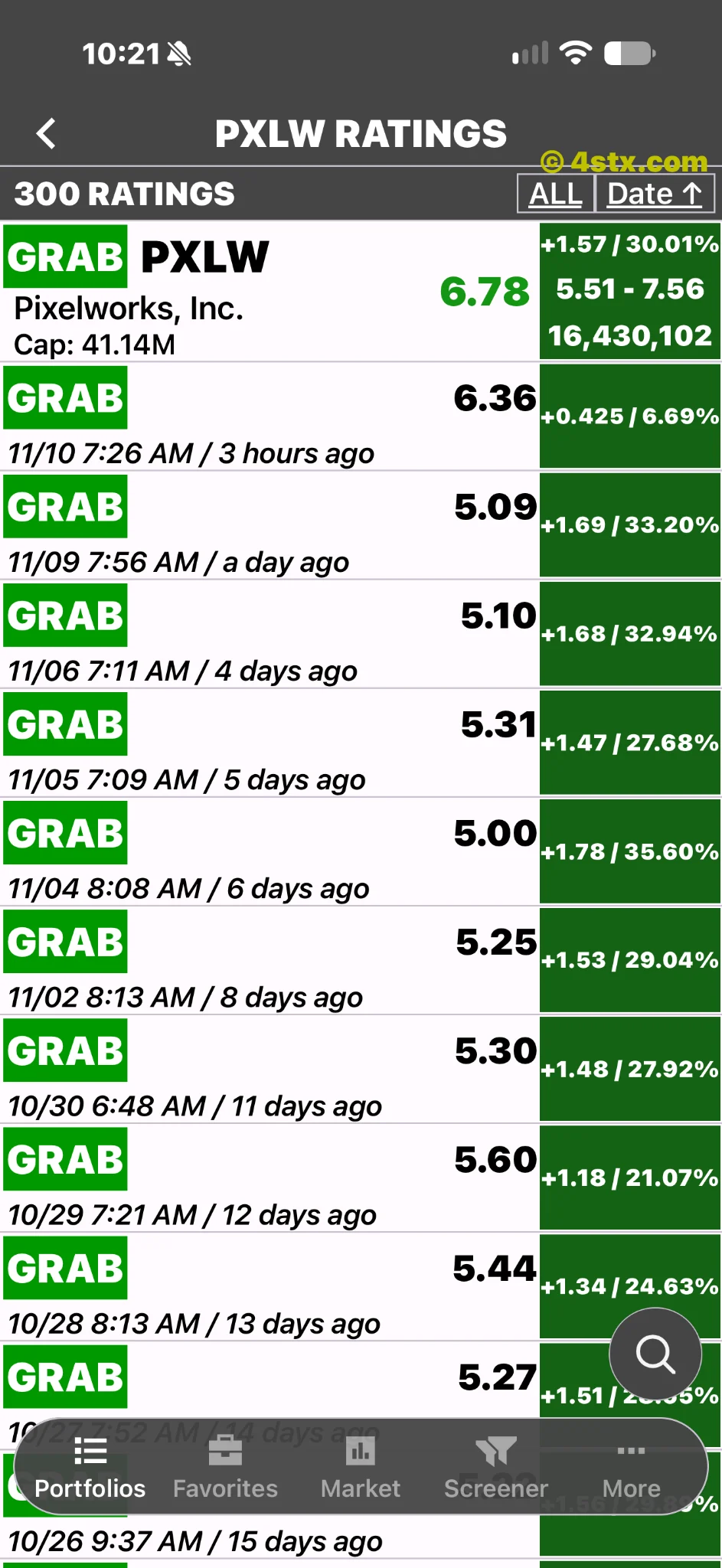
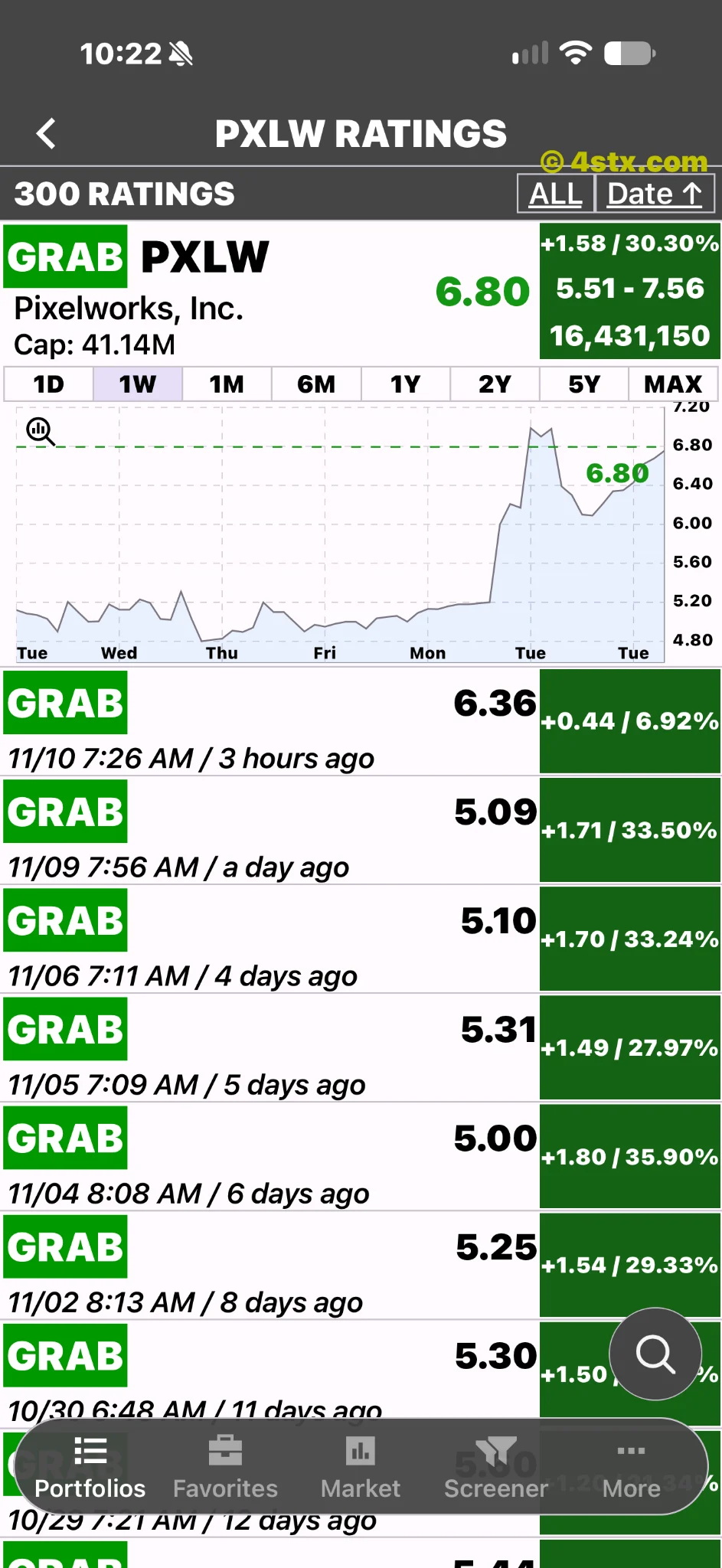
A StockRank (Stock-App.com) screenshot supplied on November 10, 2026 showed PXLW at $6.80, up 30.39%. The same day, Pixelworks announced an agreement with Meta. The immediate question is how the commercial opportunity translates into a business investors can measure. The announcement establishes a relationship, while the financial return still needs to become clearer.
What the screen shows
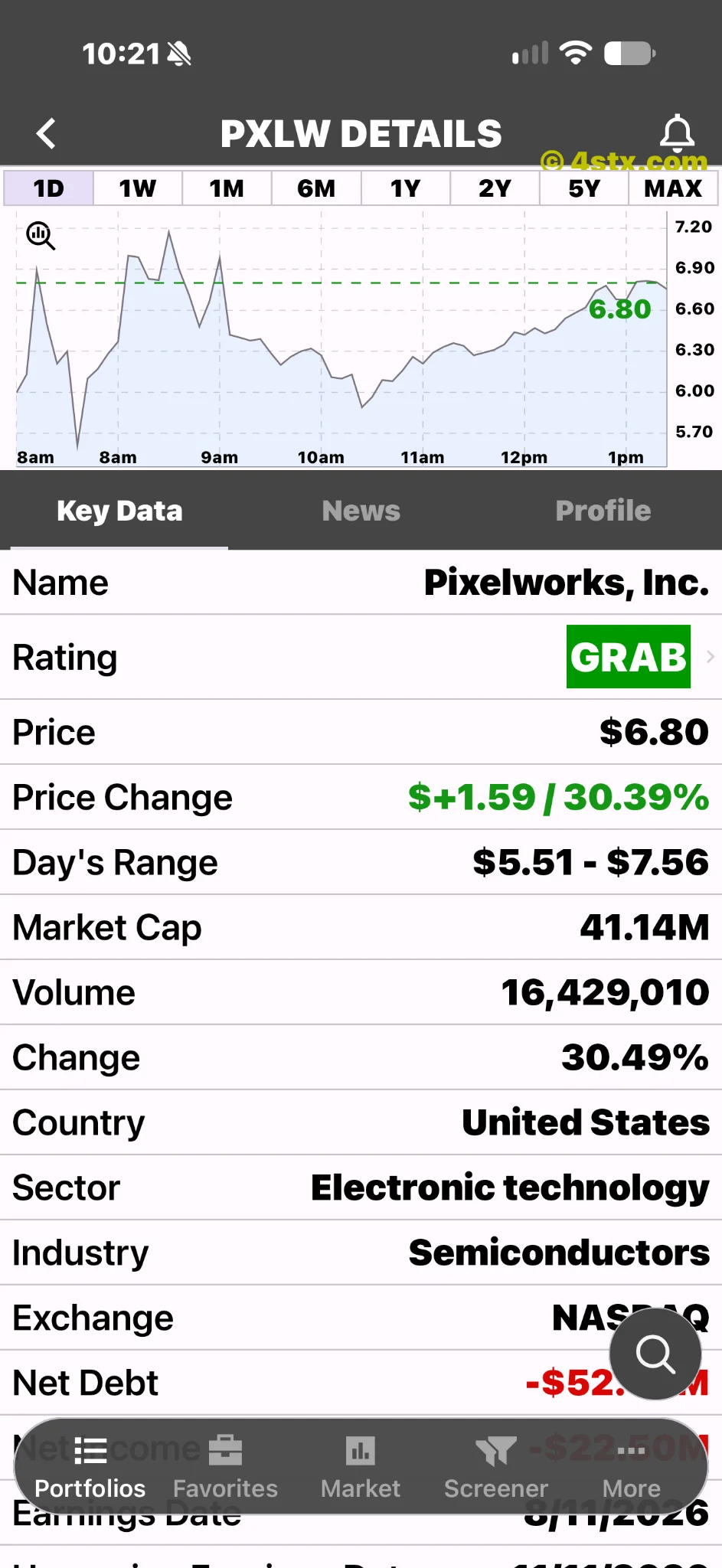
The supplied snapshot displayed trading volume of 16,429,010 shares and a session range of $5.51 to $7.56. Its one-week chart showed a sharp jump after several quieter days.
These are captured figures, not a confirmed closing price or a live quote. The wide displayed range matters: the path through a rally can be much rougher than the headline percentage suggests. A person entering near the session high faces a different experience from someone who owned shares before the news.
The screen identifies an unusual move worth researching. It cannot establish which investors bought, how long they intend to hold, or whether the price already reflects an optimistic outcome.
What Meta is getting
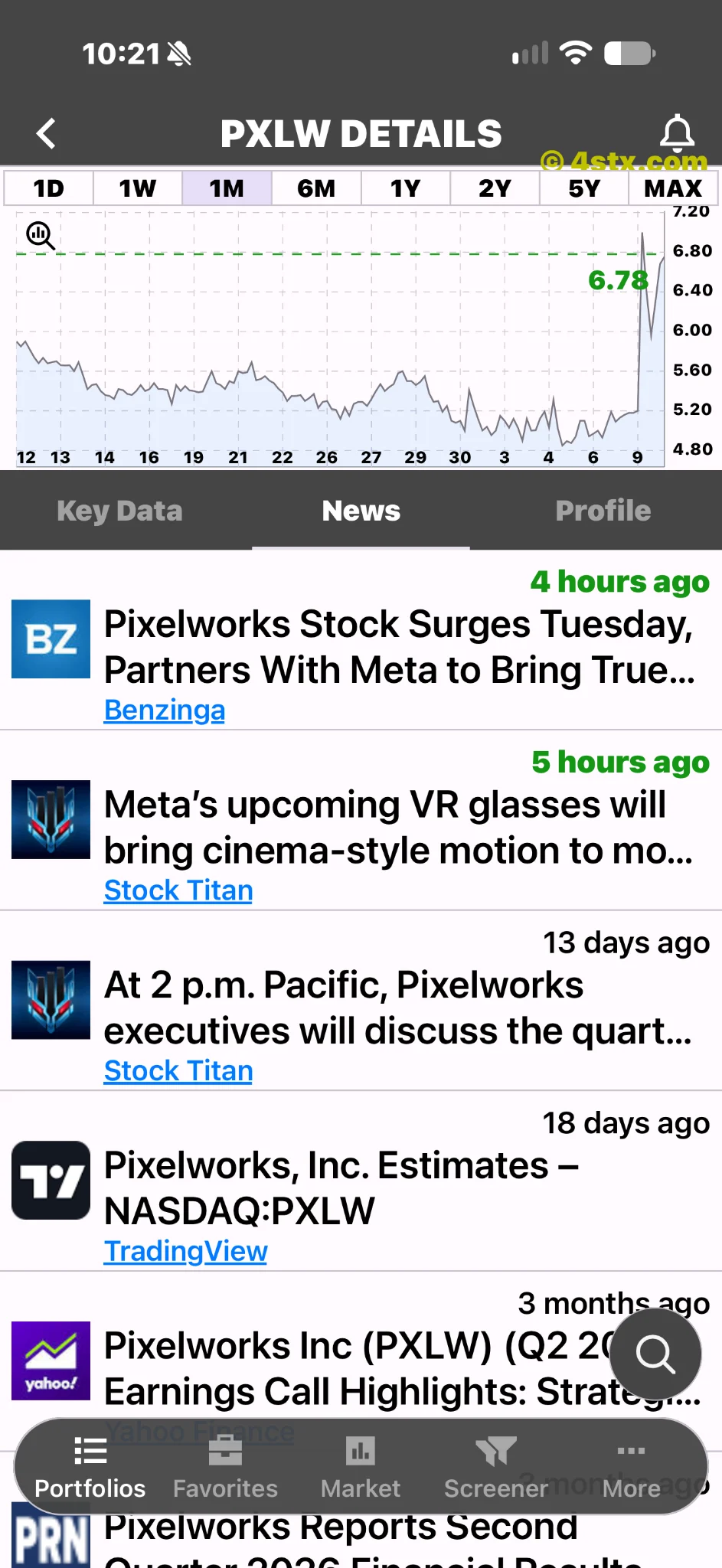
Pixelworks says the multiyear agreement covers certification of Meta VR devices to play TrueCut Motion-enhanced content. The announcement disclosed neither financial terms nor guaranteed revenue. Company announcement.
TrueCut lets filmmakers adjust motion characteristics, including blur and judder, shot by shot. Pixelworks presents it as a way to preserve the intended cinematic appearance across different screens. Technology description.
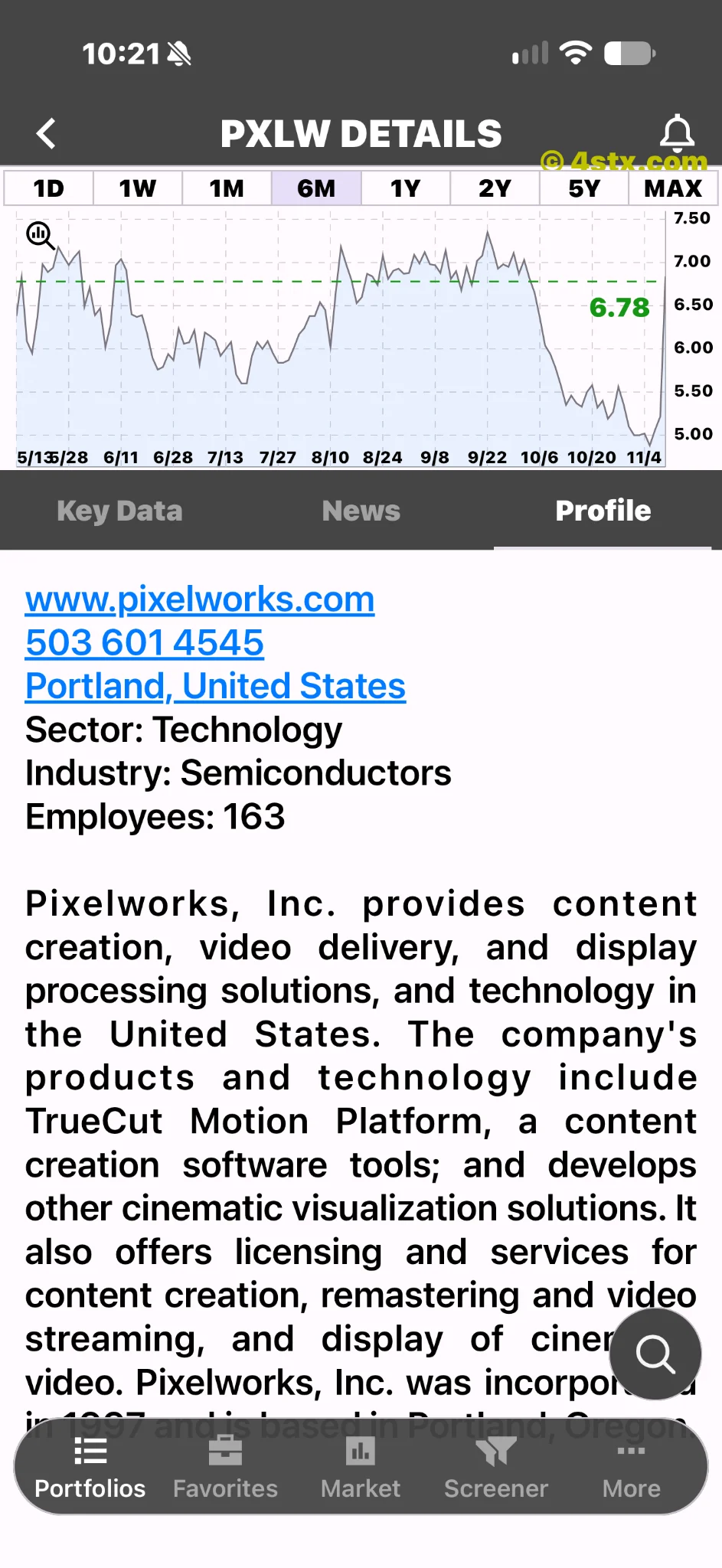
The business description matters, too. Pixelworks sold its Shanghai semiconductor business in January 2026 and now focuses on licensing cinematic visualization technology. Investors should assess the opportunity through that business model rather than assuming it is a new chip-supply contract. SEC quarterly filing.
The numbers behind the excitement
For the second quarter of 2026, Pixelworks reported revenue of just $64,000 and a $2.796 million loss from continuing operations. Cash and cash equivalents totaled $52.888 million at June 30. These are historical figures, not the company's cash balance today. Second-quarter results.
Management warned in August that revenue would vary substantially between quarters while the business developed. It expected third-quarter revenue to increase sequentially, without issuing formal quarterly guidance. Those were management's expectations, not reported results. SEC-filed earnings remarks.
That context cuts both ways. One small quarter cannot settle the technology's prospects. Equally, a recognizable partner cannot establish the size or profitability of future licensing revenue. The key comparison will be between revenue growth, the costs required to support it, and the cash consumed while the business develops.
The next checkpoint
Pixelworks is scheduled to report third-quarter results after the market closes on November 11, with a conference call at 5 p.m. Eastern. Earnings announcement.
The useful questions are concrete: How will device certification generate revenue? When could that revenue be recognized? What costs accompany expansion, and how has the cash balance changed? Investors also need to understand whether future income depends on individual projects, ongoing licenses, or a combination. The disclosed agreement does not provide enough detail to calculate its value.
The next update may clarify the opportunity without resolving every question. For now, the chart captures enthusiasm. A durable investment case will require evidence that licensing income can grow and support the business. The Meta name makes the story easy to notice; the financial details will determine how much it means.