
Oatly sells oat-based drinks and other foods. It employed 1,392 people at September 30, 2026, and reported third-quarter revenue of $243.05 million and a net loss of −$27.46 million on October 28. Interest-bearing loans and borrowings were about $523.20 million as of September 30, distinct from total liabilities. A major shareholder increasing its stake can be encouraging for an oat-drink company that is still losing money. It does not make Monday’s trading price a buyout price or put a floor under the stock. Third-quarter filing Bidder’s SEC filing
The board said no to a $4.13 offer, not to a $14 offer
On November 23, Oatly’s disinterested directors unanimously recommended that shareholders not tender their shares or American depositary shares, or ADSs, to Verlinvest. The offer opened November 20 at $4.13 per ADS, with each ADS representing 20 ordinary shares. That was below the $7.17 closing price on November 19, before the public announcement. The bidder itself does not recommend that holders tender, and said it does not intend to take Oatly private or delist it from Nasdaq. A public offer on those terms can coexist with a stock price that trades much higher. It is not evidence that Verlinvest is paying the market price. Oatly’s Schedule 14D-9 Offer to purchase
The offer stems from Verlinvest’s proposed acquisition of China Resources’ indirect interest in their joint venture, Nativus, which holds Oatly ordinary shares and convertible notes. Nativus held 42.6% of outstanding ordinary shares, excluding treasury shares, as of November 16 and agreed to tender its ordinary shares. Oatly’s filing explains that buying that block outside a qualifying voluntary tender offer would trigger Swedish mandatory-offer rules. The distinction for investors is whether Monday’s reaction reflects confidence in the long-term shareholder, rather than an expectation of receiving the market price in cash. Neither motive is knowable from the chart alone.
A striking rebound, not a new price floor
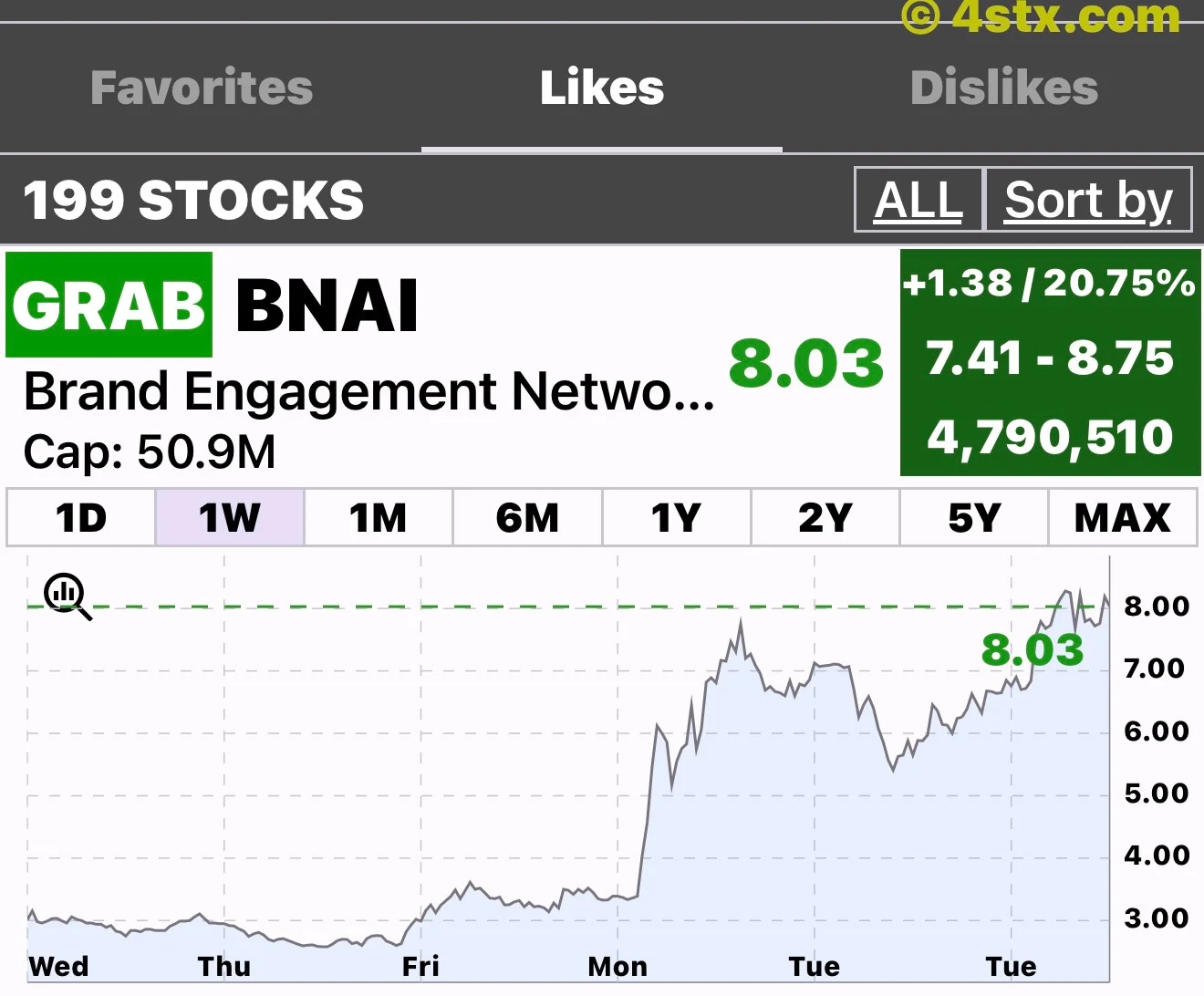
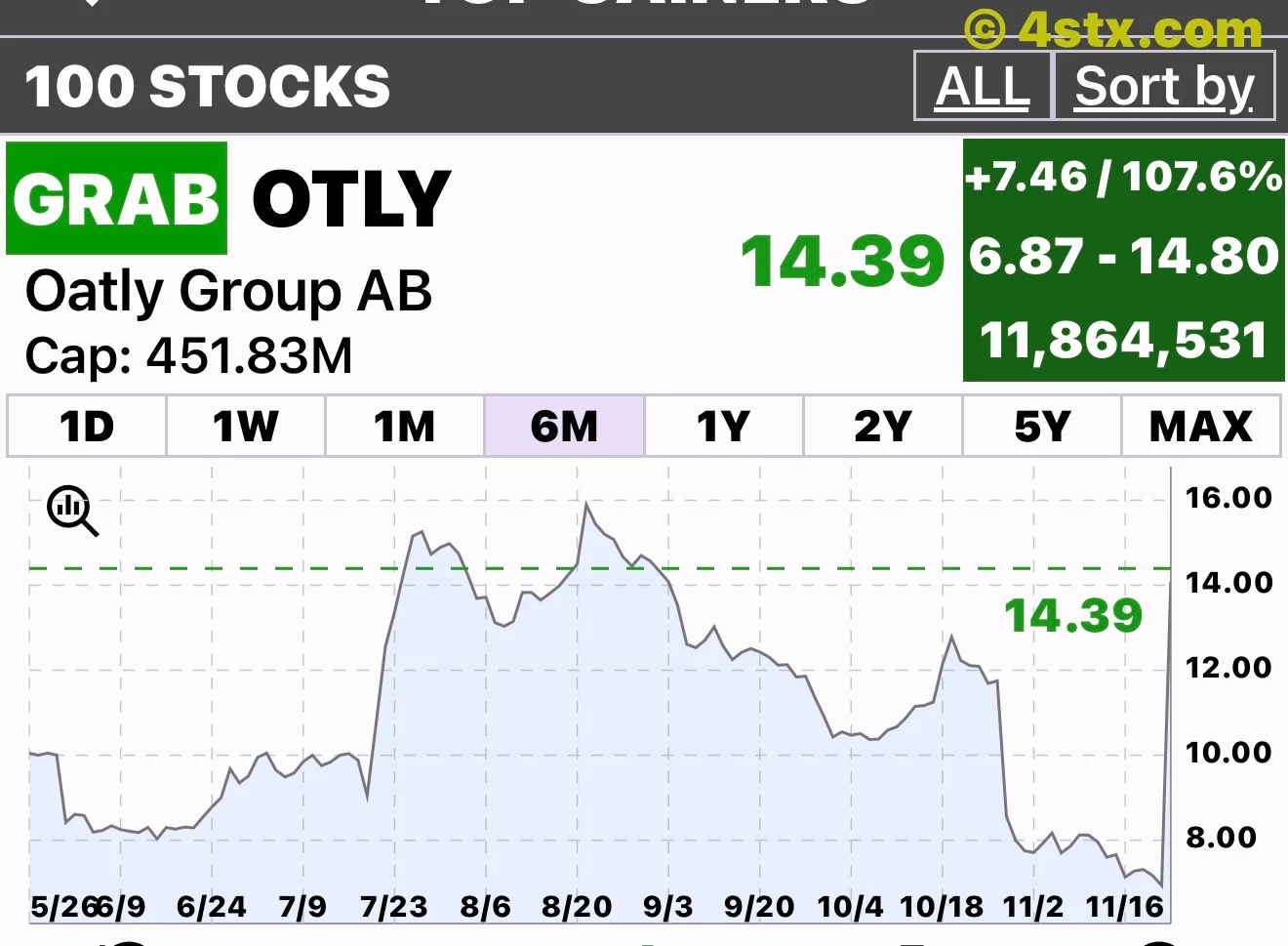
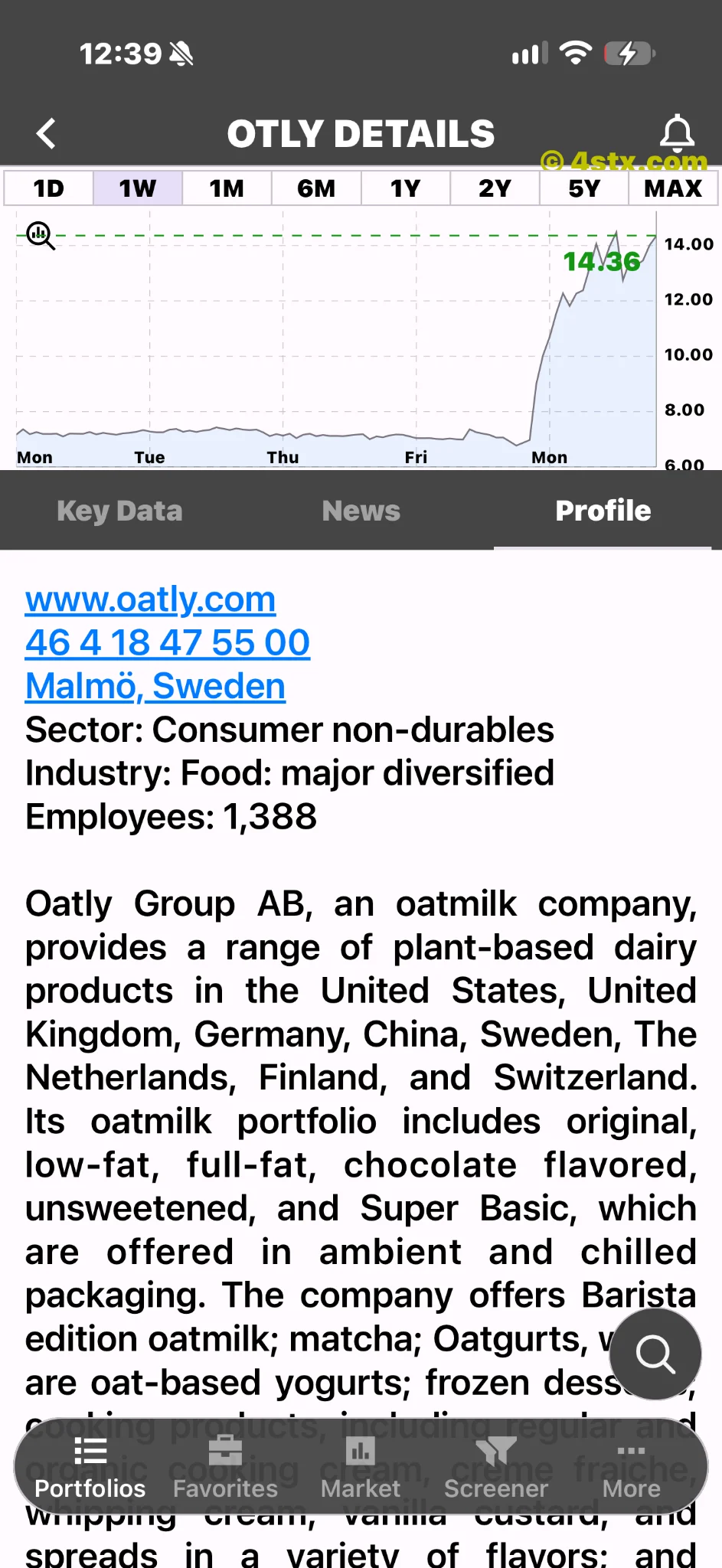
The approved six-month StockRank chart shows $14.39, up +107.60%, with 11,864,531 shares displayed. The paired profile screen is a separate one-week view with a slightly different quote and a device clock around 12:39 p.m. Pacific on November 23. That anchors the approximate collection time, not an exact cover quote timestamp or an official closing price. The six-month view puts the reversal against a broader slide into November; the shorter view makes clear how abrupt the jump was. A separate market snapshot that day recorded roughly 9.87 million shares, about 97 times that provider’s three-month daily average. It is a different partial-session measurement from the supplied chart, not a denominator to mix with it. Independent same-day market snapshot
The test is cash, not a chart
The strongest bullish argument combines a committed owner with an improving operating picture. Revenue grew +9.1% year over year in the September quarter, and adjusted EBITDA improved. Adjusted EBITDA, however, excludes items that matter to equity holders and creditors. It does not erase the reported net loss or the debt. Trailing P/E is not meaningful with losses. The company’s reported fiscal 2025 revenue and September year-to-date comparison imply about $945.25 million in trailing sales, a scale measure rather than a measure of what owners can take out of the business. The last earnings release was October 28, about four weeks before this snapshot; no next reporting date was confirmed in the sources reviewed. Earnings release
I’d give the rally more weight if coming results show cash from operations holding up and borrowings falling without relying on new funding. A rise in financing costs or renewed cash pressure would weaken the case even if ownership consolidates. Watch the financing disclosures and filings, not a rumor about what a bidder might pay next.
Download StockRank and compare OTLY’s one-week and six-month charts. That makes it easier to tell whether the move held beyond the headline or simply reversed part of a longer decline.
Which would change your view first: improving cash flow or falling debt?