
Syntec Optics makes optics and photonics components and subsystems, including precision optical elements and assemblies used in applications ranging from life sciences to space and defense. Net sales for the quarter ended September 30, 2026 were USD 8.54 million, up approximately +23% from a year earlier. Its annual filing counted 164 employees at December 31, 2025; that headcount describes the company at year-end, not a staffing estimate for November. The latest quarter produced a USD 246,574 net profit against a USD 1.43 million loss a year earlier. Quarterly filing 2025 annual report
I’d give Syntec credit for earning an actual profit, not declare a turnaround from a single quarter. The case gets substantially stronger when shipments that customers order repeatedly can support that result without another substantial one-off engineering contribution.
Why the results matter, and when they arrived
Syntec released the results on November 13 and discussed them on its November 17 conference call. That material provides a specific, recent reason for investors to revisit the company, rather than an unsupported story about what buyers were thinking. But neither event happened on November 20. The results are a plausible backdrop to Friday’s rise, not a newly announced Friday catalyst. No separate November 20 announcement was verified that would explain the entire move. Company earnings release Company investor page and earnings call
There is a good reason to be more optimistic than the nine-month loss alone suggests. Early engineering work can tell a supplier what to make and pay it to build the expertise a production customer will need. Dismissing the work just because it is non-recurring would miss that point. But counting it as evidence of repeat orders would jump a stage. What matters is how many of those programs turn into production and at what margin.
The significance of a positive quarter is not just the top-line number. The company says USD 8.54 million was a record level of quarterly sales, and the income statement moved from loss to profit. Even so, net income for the first nine months remained negative at approximately USD 395,000. The two periods answer different questions. The quarter shows that the business can generate a profit at that mix of sales and costs; the nine-month figure shows that the turnaround was not yet consistent across the year.
What traded on Friday
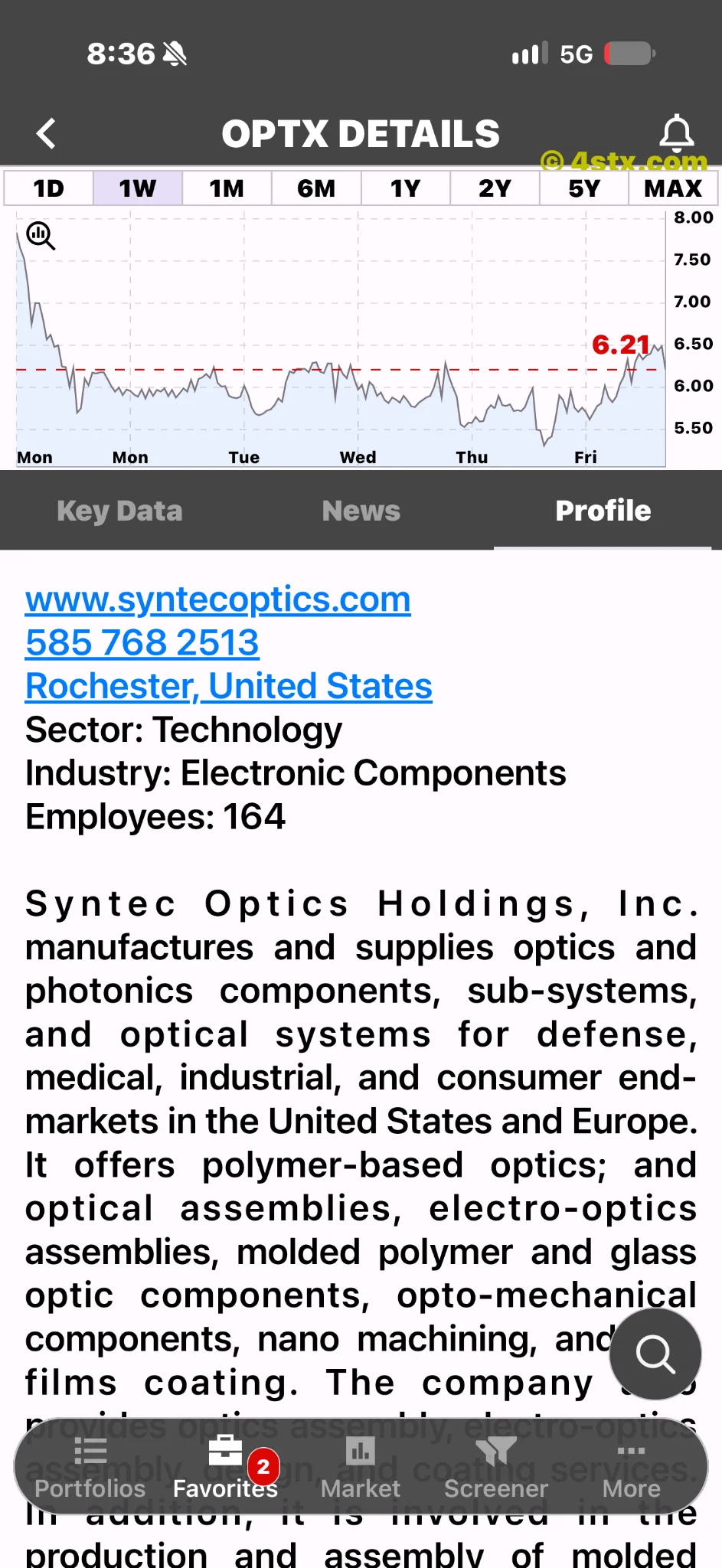
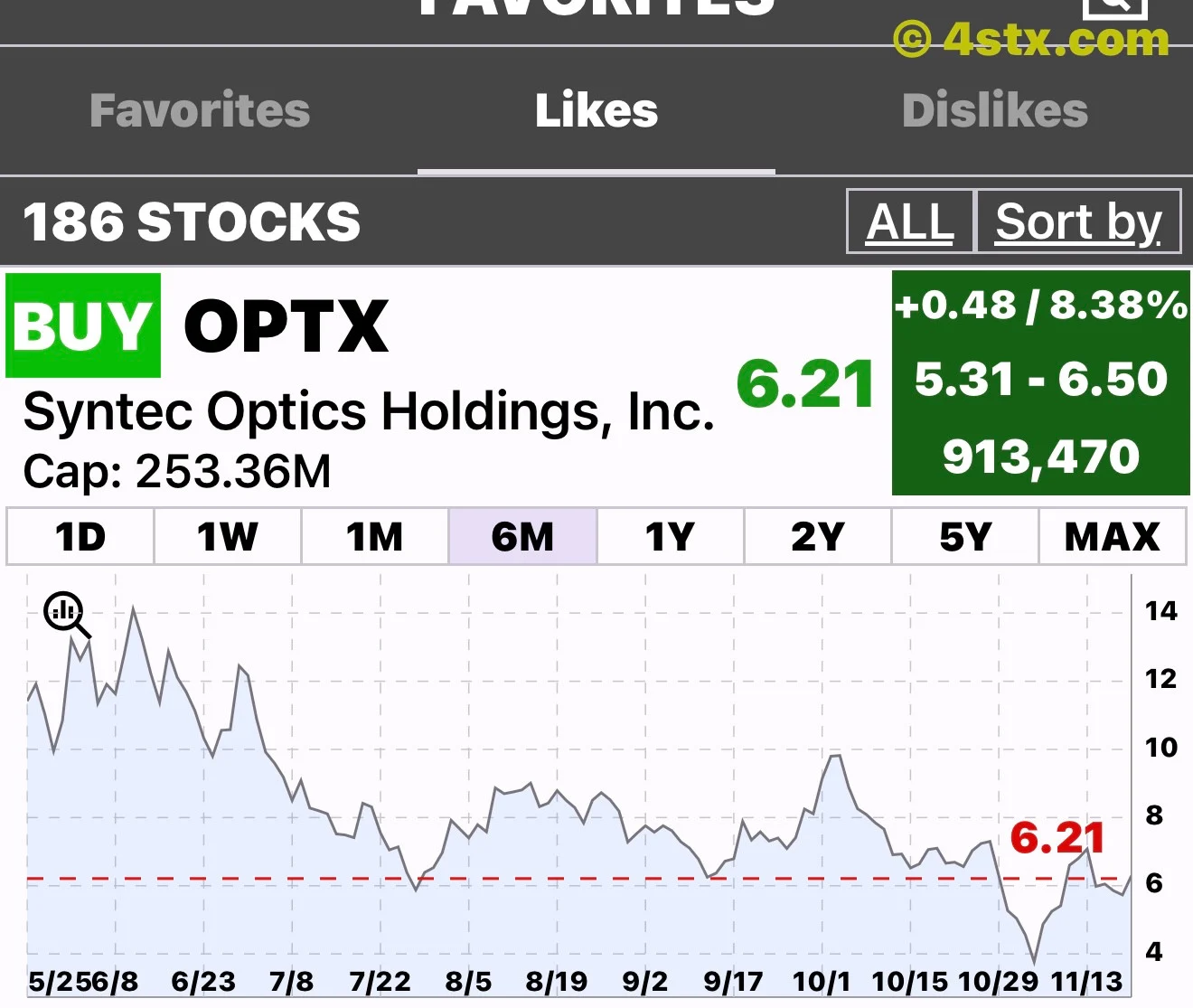
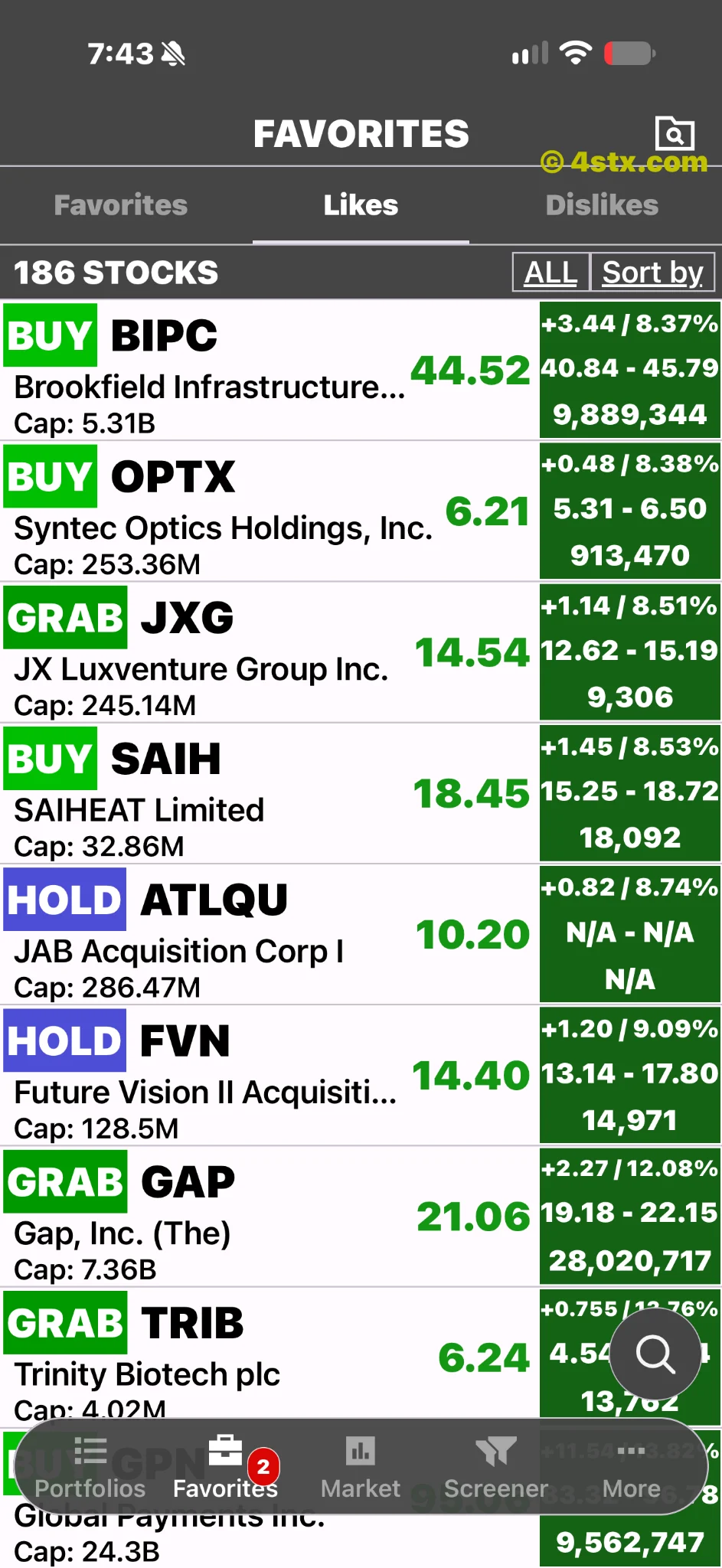
The supplied StockRank snapshot shows $6.21, a gain of +8.38%, and 913,470 shares. On November 20, independent data put the regular close at $6.29, up approximately +9.77% against the previous regular close. The $6.21 print is corroborated as an extended-hours price near 7:22 p.m. Eastern. Rather than extending the regular-hours advance, that later quote was about -1.27% below the close. The displayed headline gain uses a different starting point. The regular-session volume in the independent historical series is close to the app’s figure; the screenshot should not be interpreted as measuring extended-hours volume alone. Extended price Regular-session history
Look at the two prices in order and the story changes. Friday’s regular session was the stronger vote of confidence; the later quote gave some of it back. Neither print gives the company a contract. The degree to which enthusiasm tracks paid production will matter more than the last few cents of an extended session.
What would confirm that the improvement is durable
The quarterly filing also describes revenue recognized over time on a substantial non-recurring engineering program during the first nine months. This does not negate the sales reported; it explains why repeating the same sales pace is a separate question. A customer’s design win or paid engineering engagement may take time to become recurring production revenue, and the economics of those two stages can be different.
The price history gives a further reason not to declare a durable repricing on Friday. The same daily series puts the November 13 regular close at $7.08, above the November 20 regular close despite the latter session’s gain. Friday’s recovery was therefore still below that earlier price. A stronger quarter can be important without immediately producing a sustained week-over-week advance. For the operating business, the useful comparison is between comparable quarters, not between two trades in different sessions.
I’d change my mind on the strength of the turnaround if the next filing pairs another profit with identifiable repeat production revenue, even if the stock does less that day. Conversely, another record sales figure dominated by engineering work could be a good quarter without proving the skeptical case wrong.
Download StockRank and check the OPTX one-week chart against the six-month range. That gives you a reference point for checking whether the stock held its post-results gains or settled back into its old range.
What would convince you first: repeat orders or another profit?