
JX Luxventure Group sells duty-free and cross-border consumer goods and provides services such as wholesale logistics and supply-chain support. Its November 12 update reported USD 68.48 million of revenue for the six months ended June 30, 2026, up approximately +172% from the comparable period. The annual report dated May 15, 2026 listed 127 employees across the company and its subsidiaries, including 95 full-time and 32 part-time staff. Those figures describe different reporting dates. The November financial release covers a half year, not the third quarter. First-half results Annual filing
I’d put the margin squeeze ahead of the +8.51% rally. The larger business is real. The harder question is whether the company is buying that growth by accepting less gross profit on each dollar, then asking shareholders to trust that scale will make up the difference.
What the price move does and does not show
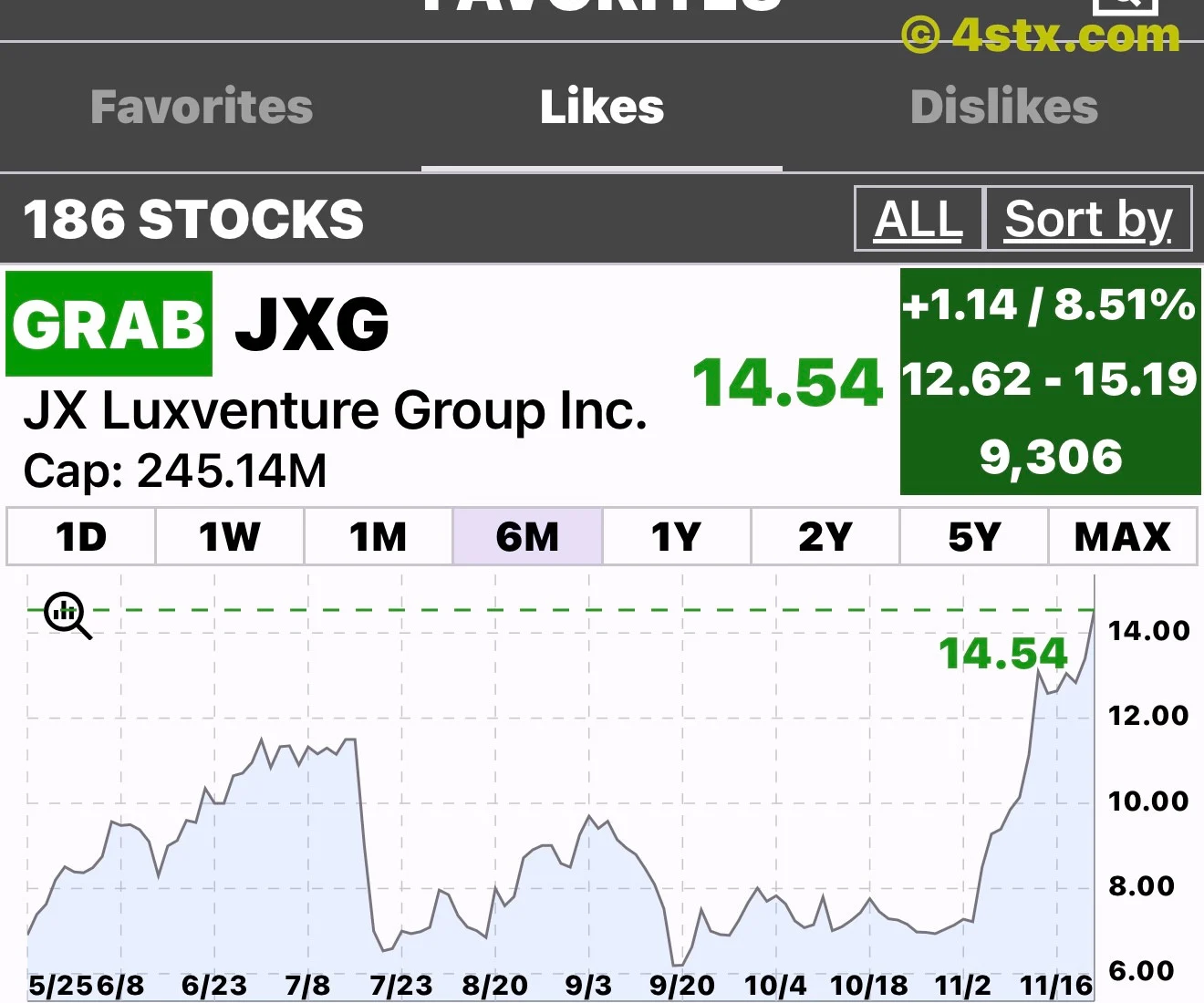
The StockRank screen displays $14.54, +8.51%, and 9,306 shares. Historical data independently records a $14.54 regular close on November 20, matching the app price. Providers report somewhat different volume totals; the screenshot count is what its feed displayed, not a claim about the precise market-wide share count. One independent source reports 9,535 shares against its 30-day average of 32,823, so that provider’s own comparison points to relatively light turnover rather than a broad surge in trading activity. November 20 history Volume comparison
The defense of the rally is that modest trading does not invalidate the price and a small number of investors can spot an improvement first. The problem is what the evidence can carry. At about 0.29 times one provider’s usual turnover, Friday showed a higher clearing price without settling how much demand would remain on a busier day.
Recent earnings provide context, not a Friday catalyst

The first-half update showed gross profit of USD 7.81 million, up about +75%, but that increase lagged revenue growth. Dividing reported gross profit by sales implies gross margin of about 11.4%, compared with approximately 17.8% a year earlier. The company sold much more and generated more gross profit in dollars, but it retained less gross profit per dollar of sales. Both can be true. That distinction is more useful than treating a large top-line gain as evidence that every aspect of the business improved at the same pace.
The best argument for the thinner margin is that orders at lower rates could be an intentional trade for scale: higher dollar gross profit can still absorb fixed costs. But the revenue print alone cannot show whether that is what happened. If receivables or inventory swell faster than cash receipts, the wholesale operation may need financing even while reported sales are booming.
The company also disclosed a November 9 share exchange agreement to buy another 19% of Dazzly Investment in return for 4.97 million newly issued common shares. The filing describes the agreed consideration and transaction terms. A stake acquisition can expand assets or exposure while also increasing the common-share count. It is not evidence of immediate operating cash flow or that a second transaction was announced on Friday. Dazzly share exchange filing
What comes next
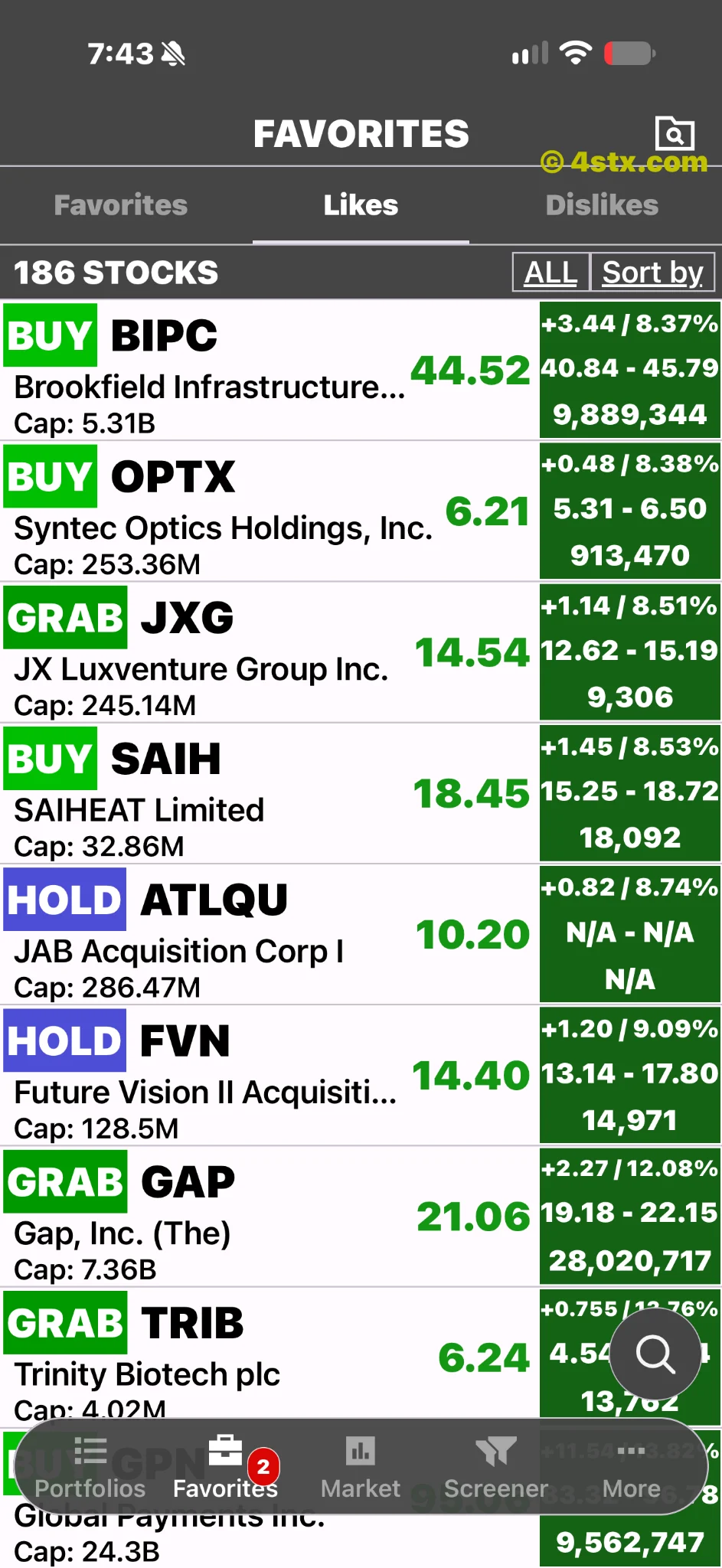
No new November 20 company disclosure was verified as the cause of the gain. The November results and the earlier transaction are the meaningful context, but the buyer motive remains unsettled. Subsequent financial statements can show whether sales retain attractive margins and turn into operating cash. Any transaction update can clarify ownership and the outstanding share count. Those checkpoints would tell shareholders more about value per share than the percentage gain from a lightly traded session.
The figures I would put side by side in the next filing are gross margin, operating cash flow and shares outstanding. They test three separate claims: whether sales are worth pursuing at their new mix, whether buyers pay on usable terms, and whether gains accrue to existing holders after issuance. A jump in the first line of the income statement settles none of those on its own.
Use the date of the results as a marker on JXG’s chart. Download StockRank to compare the move in the one-week view with the six-month picture, then keep that price reaction separate from the margin evidence in the report.
What matters more here: sales growth or margin recovery?