
What Future Vision II does
Future Vision II Acquisition Corp. is a special-purpose acquisition company, or SPAC. It raised money to combine with an operating business, rather than operating a business of its own. FVN is its Nasdaq-listed ordinary share, not its separately listed unit or right. The proposed target is MicroTouch Technology Inc. Until the transaction closes, the share remains an investment in the acquisition vehicle, not a direct holding in a completed public MicroTouch business.
The extension has value because it keeps a live deal from expiring. We’d still trust a confirmed listing for the combined company over a $14.40 late print. One changes what an investor is about to own. The other describes a transaction in the security that already exists.
Its September-quarter filing reported no operating revenue, $396,051 in quarterly net income, $732,595 in cash available for working capital, and $43.20 million in marketable securities held in trust at September 30, 2026. The quarterly profit largely came from income on trust investments, not sales to customers. The distinction matters: the trust measures restricted funds, not the size of the target’s business or cash the sponsor can spend freely.
What the price actually shows
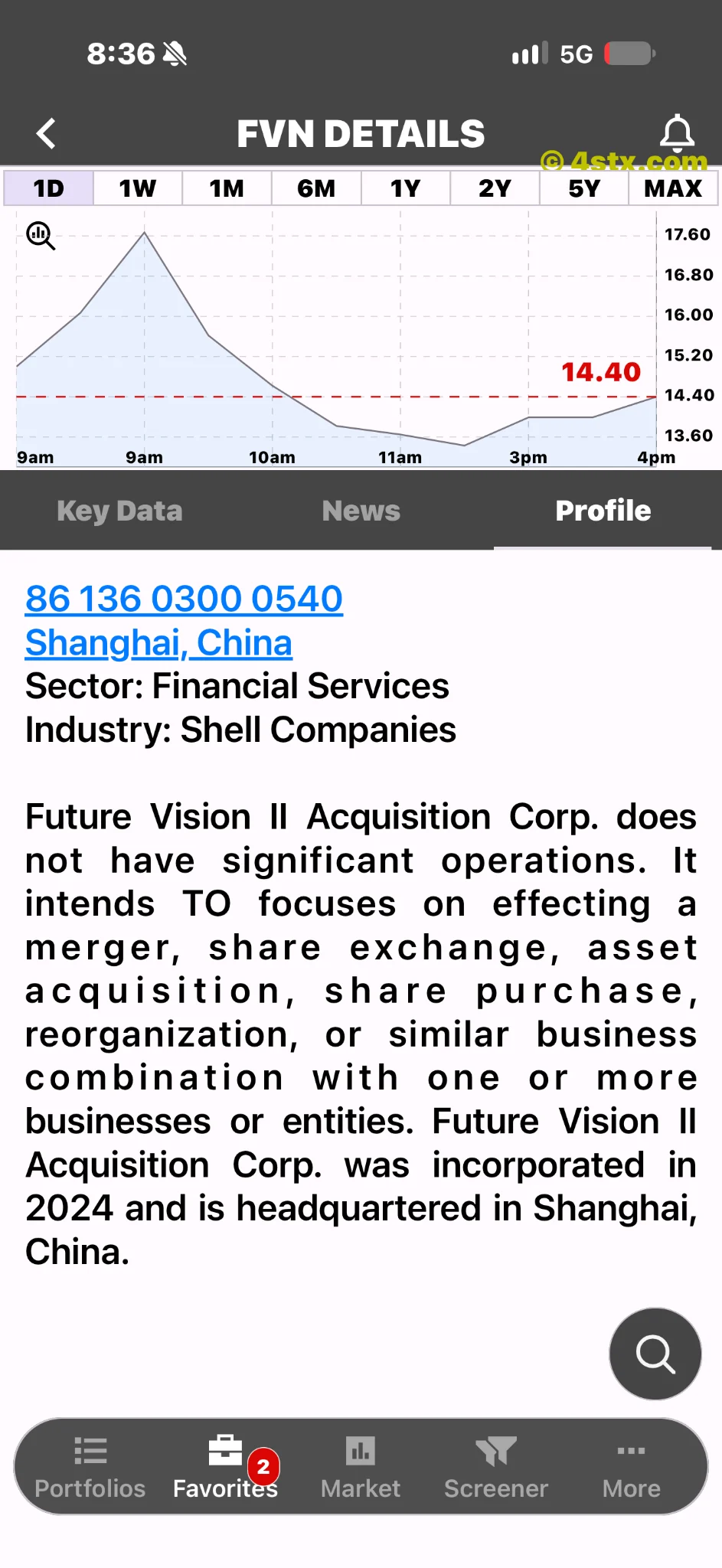
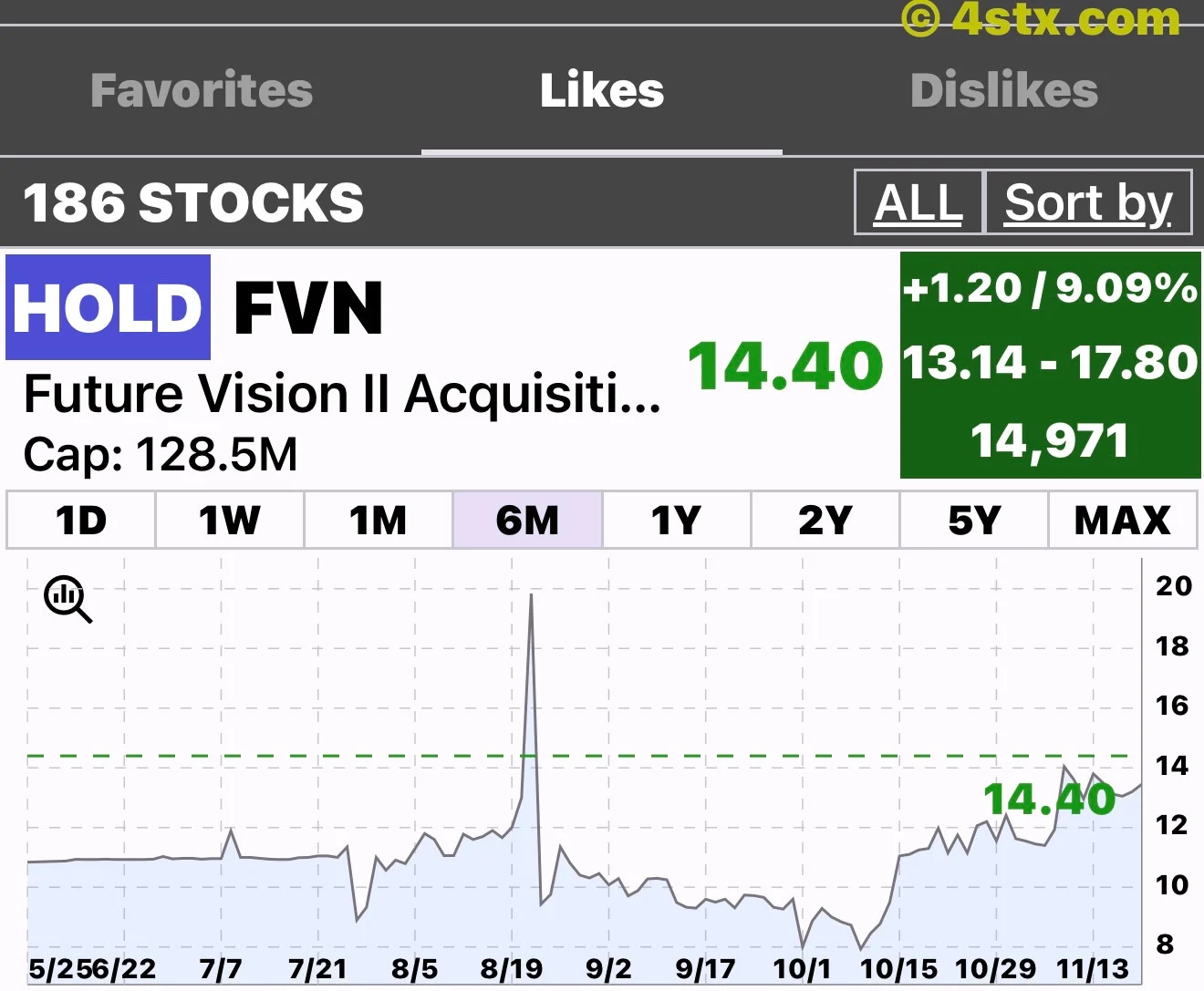
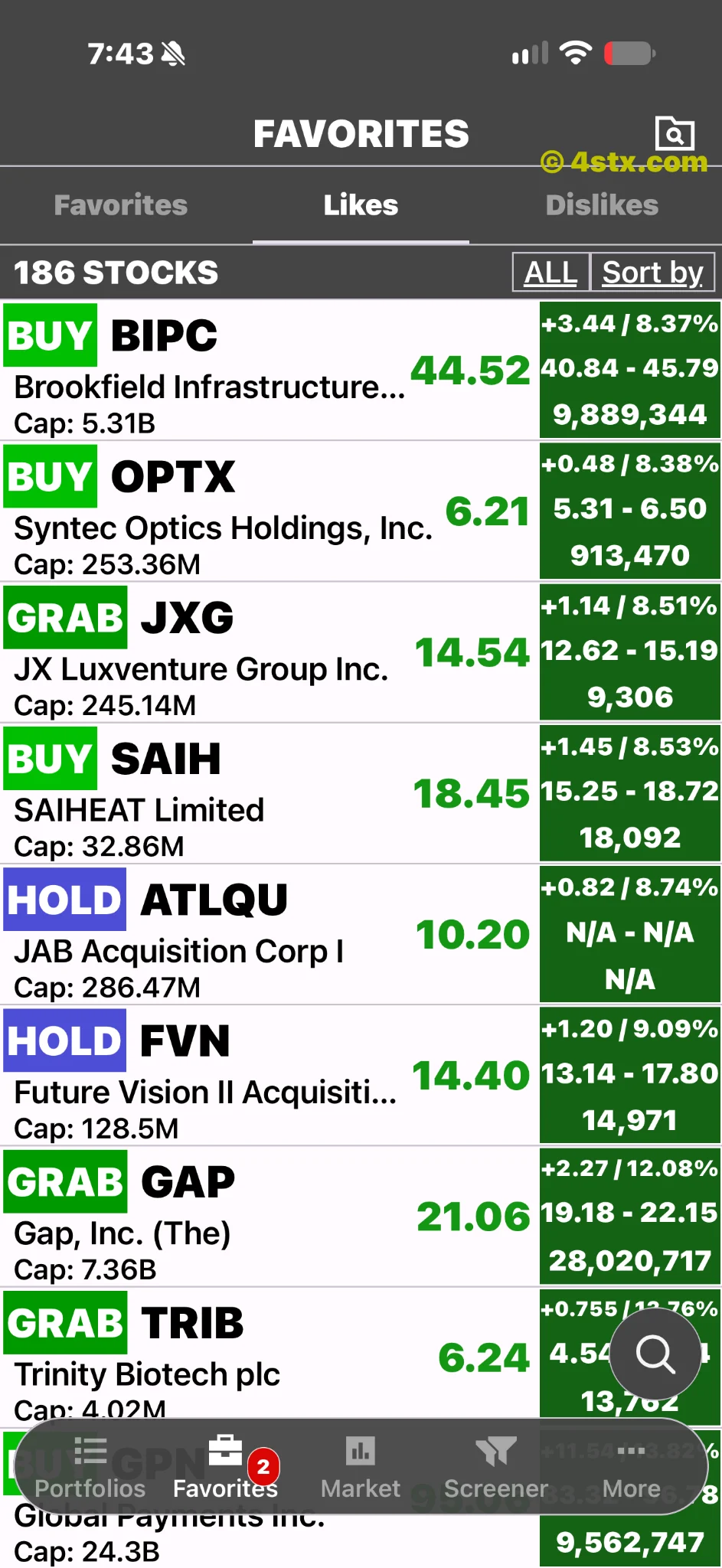
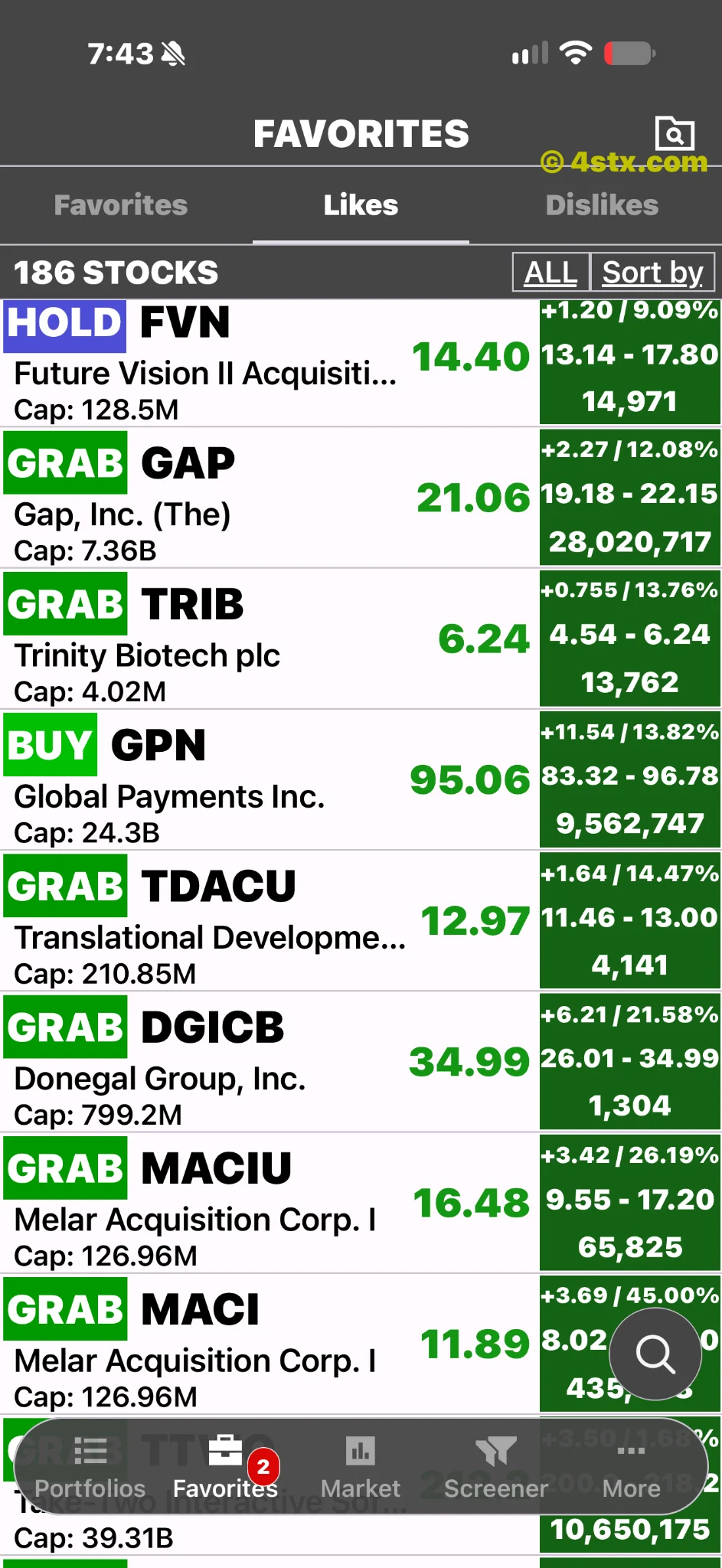
On November 20, 2026, StockRank’s snapshots showed $14.40, up +$1.20 or +9.09% against the prior $13.20 close, with 14,971 shares displayed. The highlighted range in the app was $13.14 to $17.80. Webull’s session record separates the $13.45 regular close, a +1.89% gain, from a later $14.40 reading, or +7.06% from that same-day close. The percentage depends on the reference point. Calling +9.09% the regular-session return would miss that difference, and calling +7.06% the move since the previous day would do the same.
The late quote makes for a louder headline than the regular close. That difference matters if the bullish argument starts with investors collectively deciding the deal is worth more. The regular session’s +1.89% move is a substantially more restrained statement, and a wide displayed range is no proof that sellers would part with many shares near the highest print.
The wide prices shown on the app are a reason to distinguish a printed price from an executable one. A later reading does not tell readers how many shares could have changed hands near that level, what the spread was, or whether the next session would open there. Neither supplied image carries a historical chart, so it does not establish a one- or three-month trend.
What the company actually announced
Future Vision disclosed in a current report that it approved another one-month extension and issued a $65,000 unsecured sponsor note on November 13, 2026. The extension moved the business-combination deadline to December 13, 2026. It gave the parties time; it was not a fresh approval, a new valuation, or a notice that the merger had closed.
The strongest argument for the extension is that shareholders already voted yes and a short delay can be an ordinary part of completing a transaction. But even a clean prior vote cannot do the work of the remaining conditions. The letter about the existing listing answers whether Future Vision met one requirement for its own listing, not whether the combined company can begin trading.
The quarterly filing says shareholders approved the MicroTouch transaction on July 23, 2026, but the deal still depended on conditions including Nasdaq approval of the combined company’s initial listing and minimum net tangible assets. The SPAC also reported that 1,870,030 public shares were redeemed in connection with an August meeting, with settlement in September. A separate Nasdaq notice confirmed that the existing issuer had regained compliance with the minimum public-holder rule. That existing-listing development is not the same approval as listing the combined company.
What would change the story
The extension explains why the proposed deal remains relevant, not why particular buyers paid $14.40. The strongest next evidence would be a fresh filing that confirms the closing, reports final redemptions, or spells out another funded extension and its terms. Restricted trust assets, the public share count and proposed ownership after closing answer different questions. Until the deal is completed, a headline about a price move should stay separate from a headline that says the businesses have merged.
The source also reports how the August redemptions changed the capital base: 3,879,970 public shares remained after settlement. That is the count at the reported point in time, not the final float or the future combined company’s share count.
I’d upgrade the story on a closing notice that names the combined company’s confirmed listing and spells out what shareholders are carrying into it. A further funded extension would keep the story alive without answering those questions. It is possible to value the extra time and still refuse to price it as a finished deal.
Download StockRank and use FVN’s one-day chart to see where the late print sat against the day’s range. Then switch to six months before assessing the merger extension: an isolated quote deserves less weight than a move that holds through later sessions.
What would count as proof for you: listing approval or closing?